

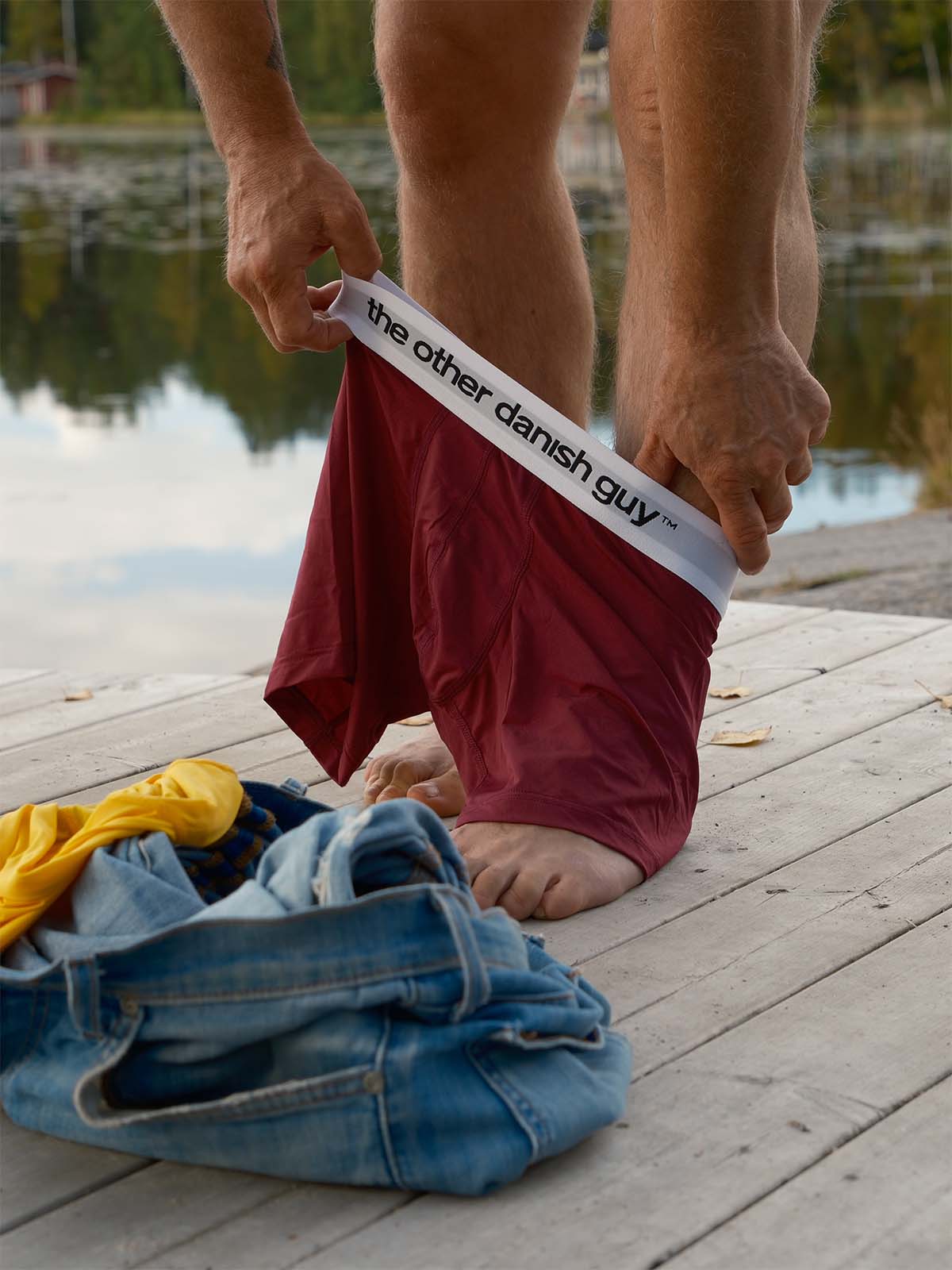
Men's underwear and technical boxers
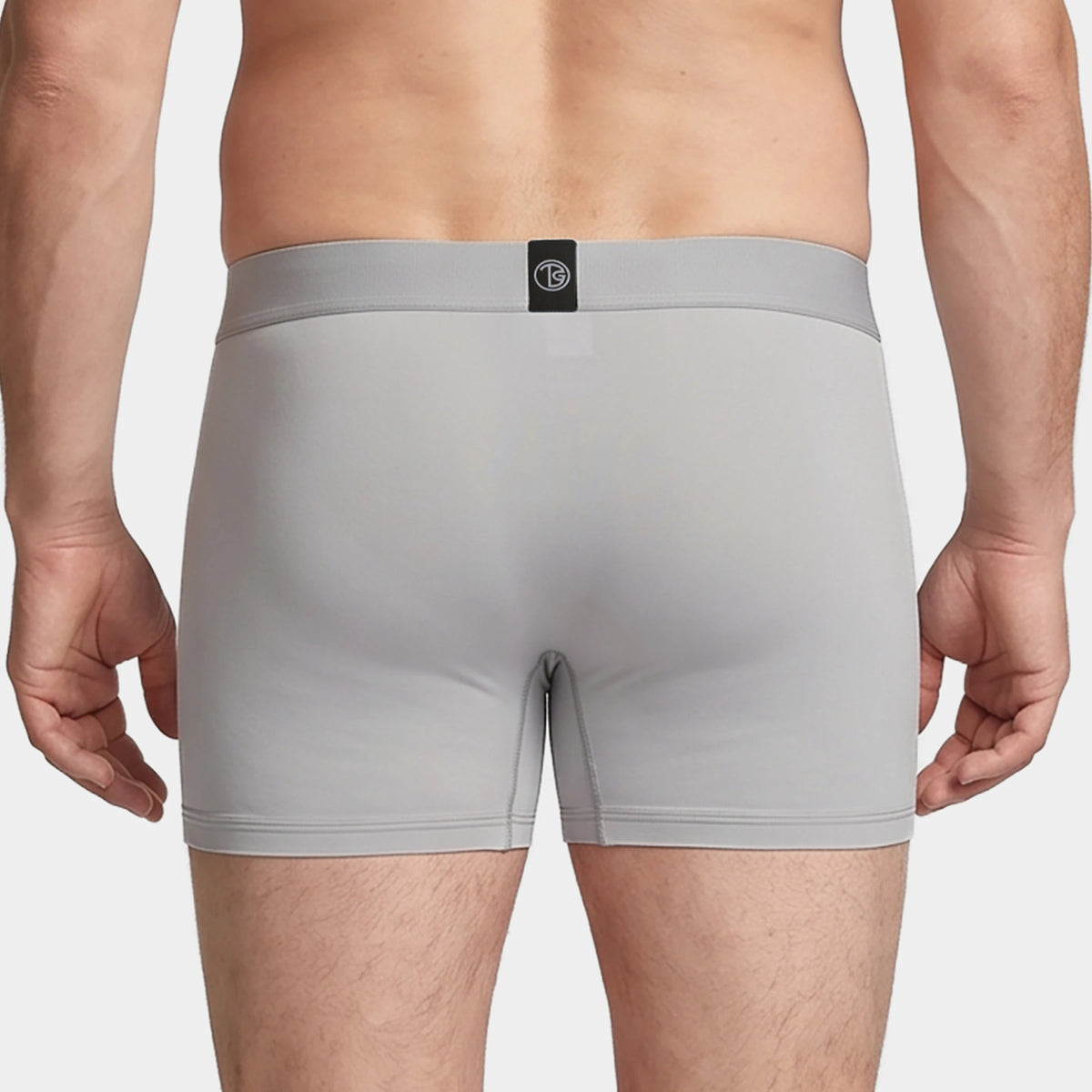
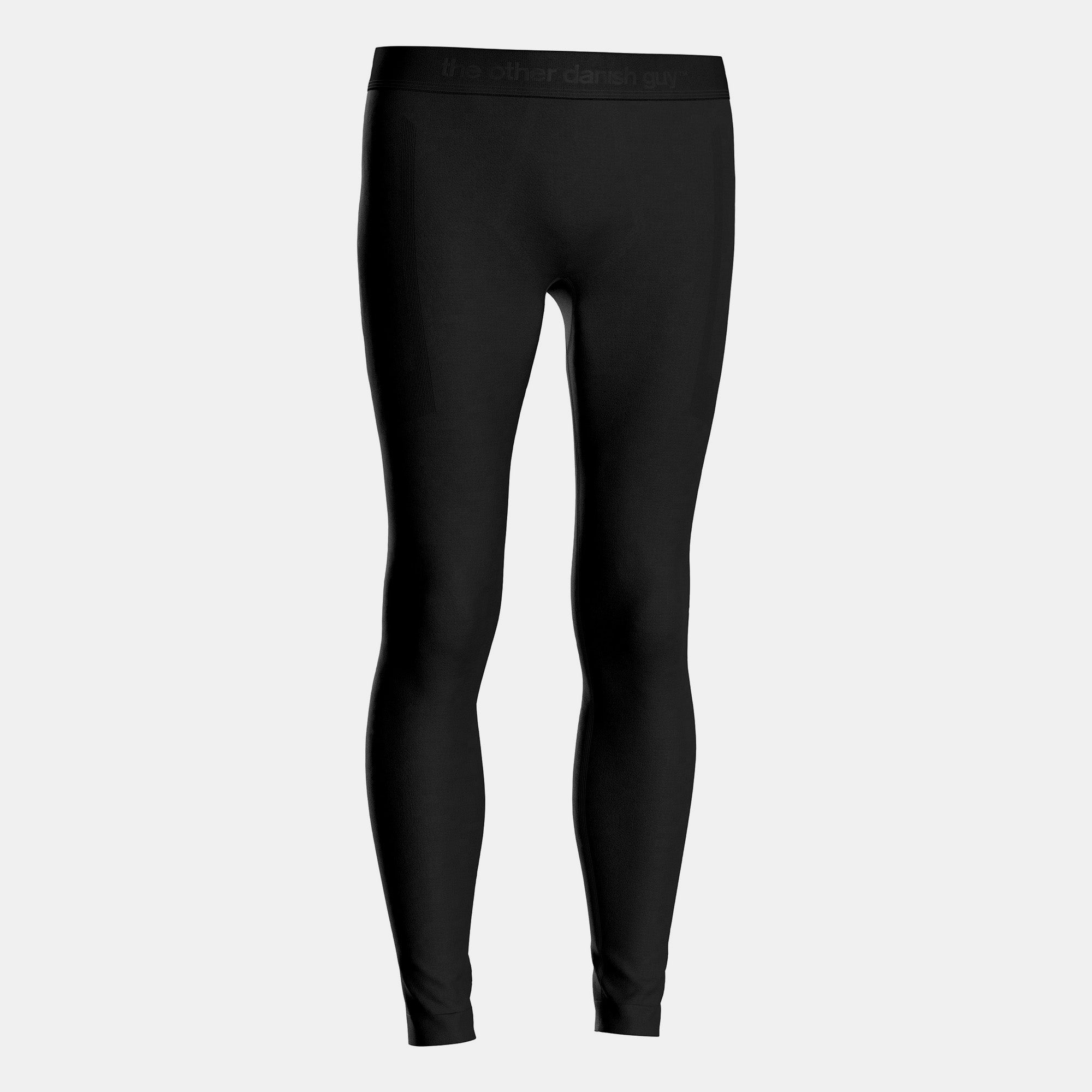
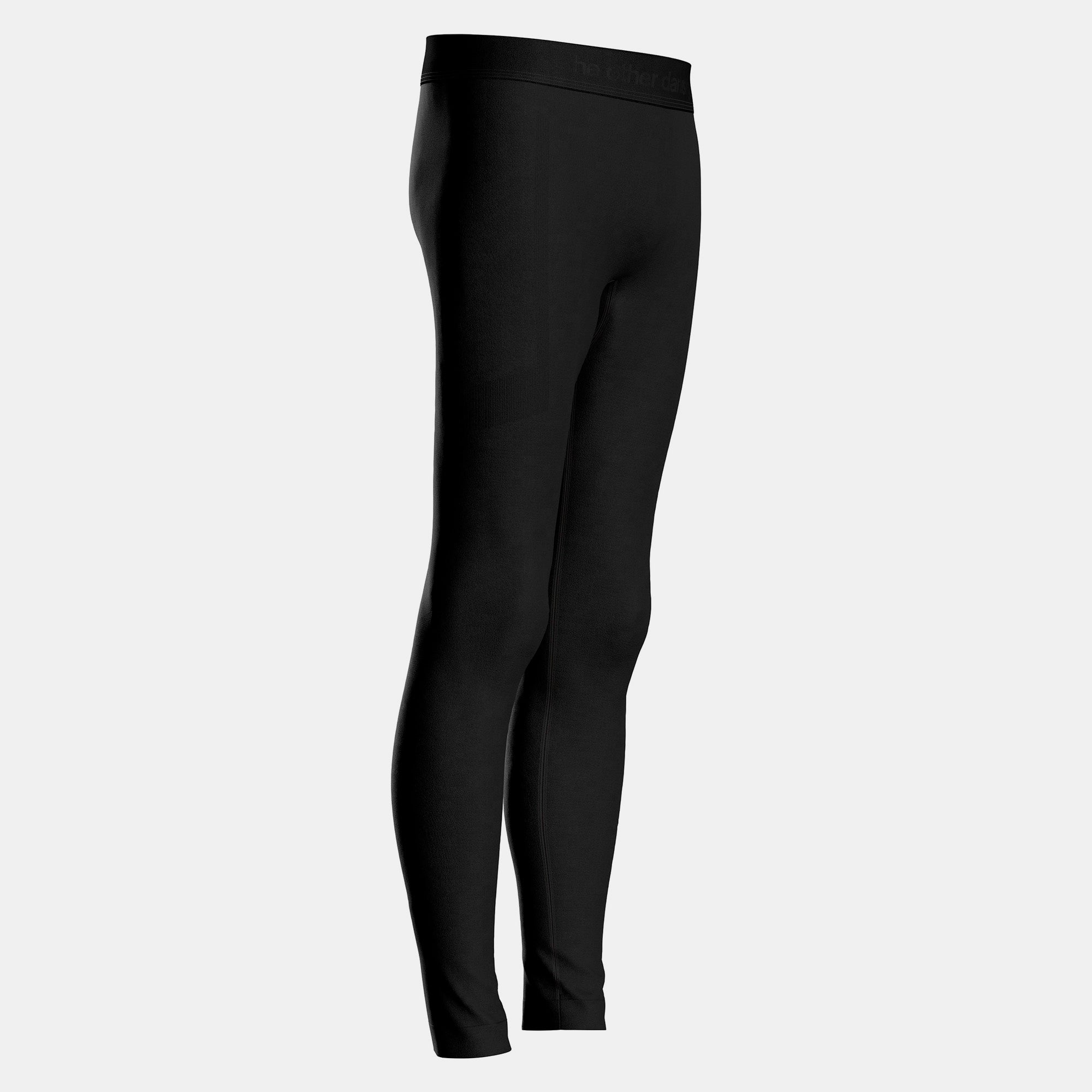
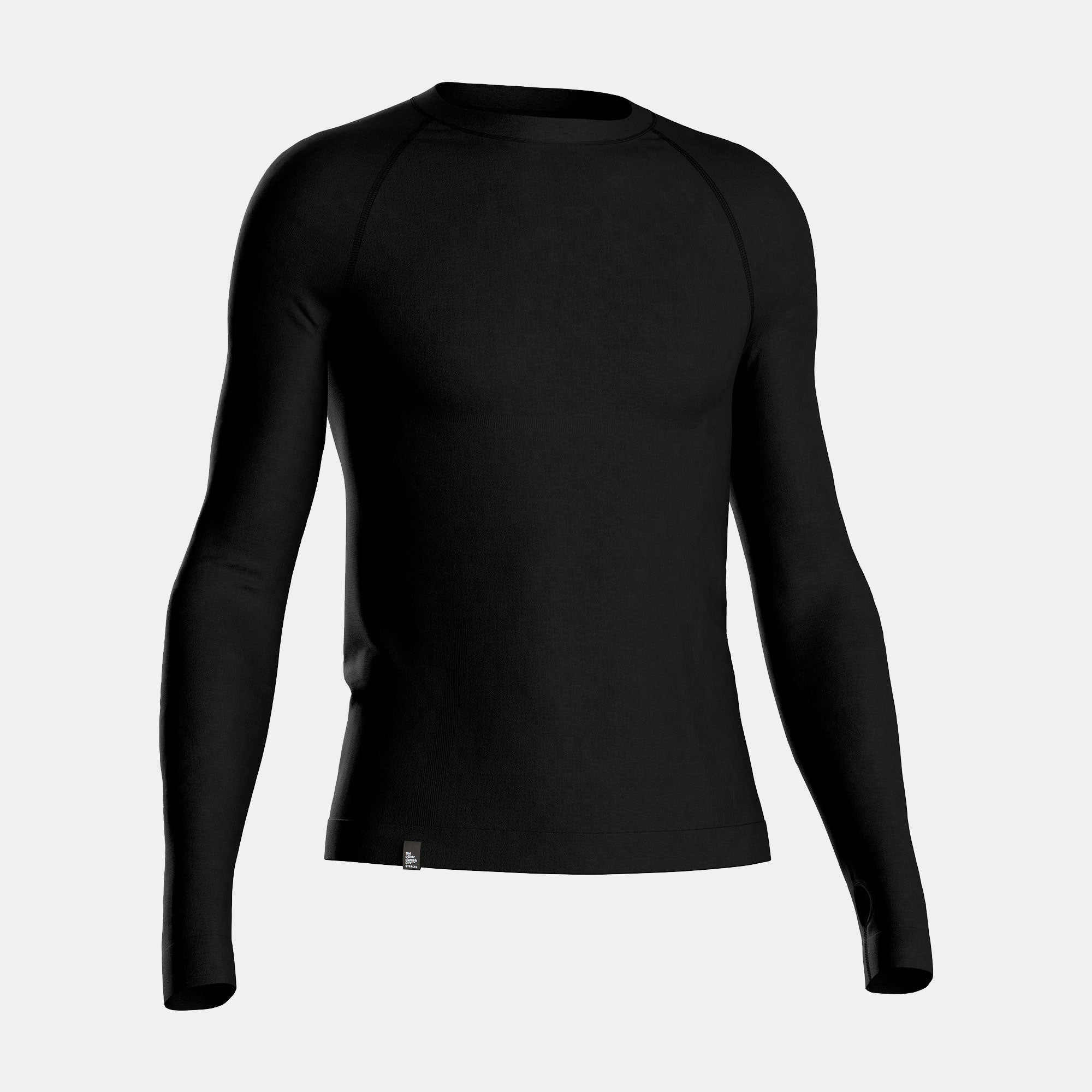
The men's collection is small on purpose. We'd rather do a few things well than many things roughly right. The best proof is the customer who comes back for the same pair.
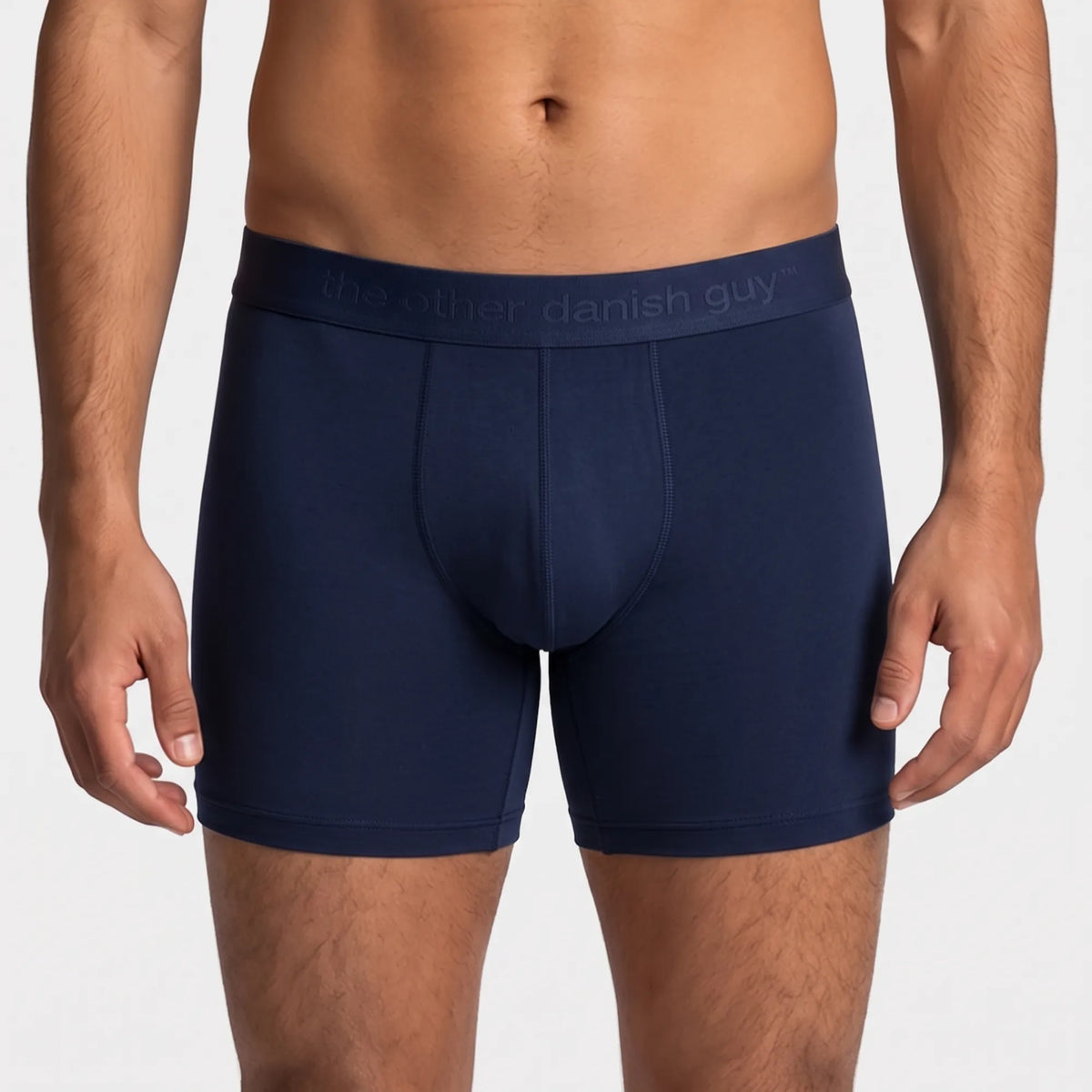
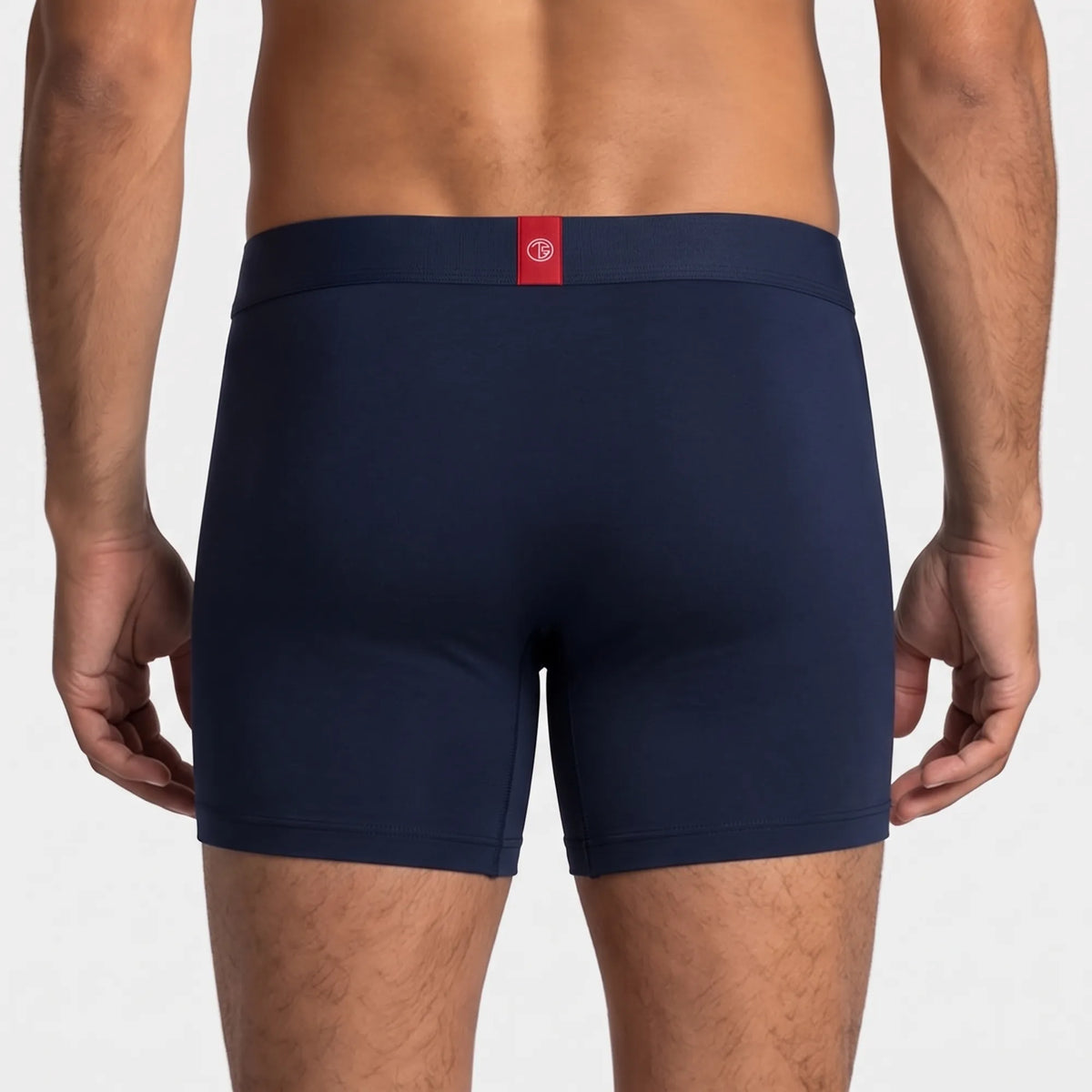
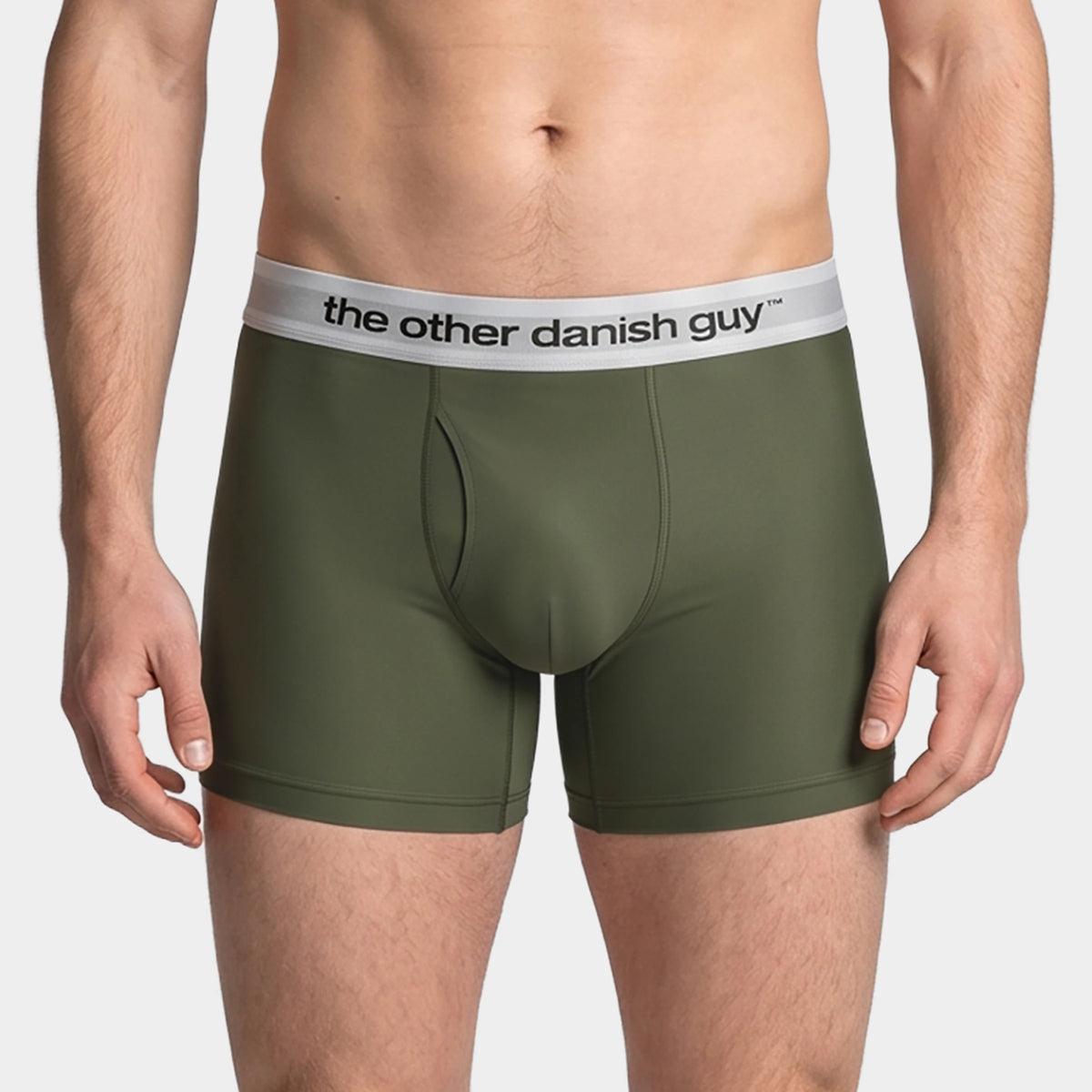
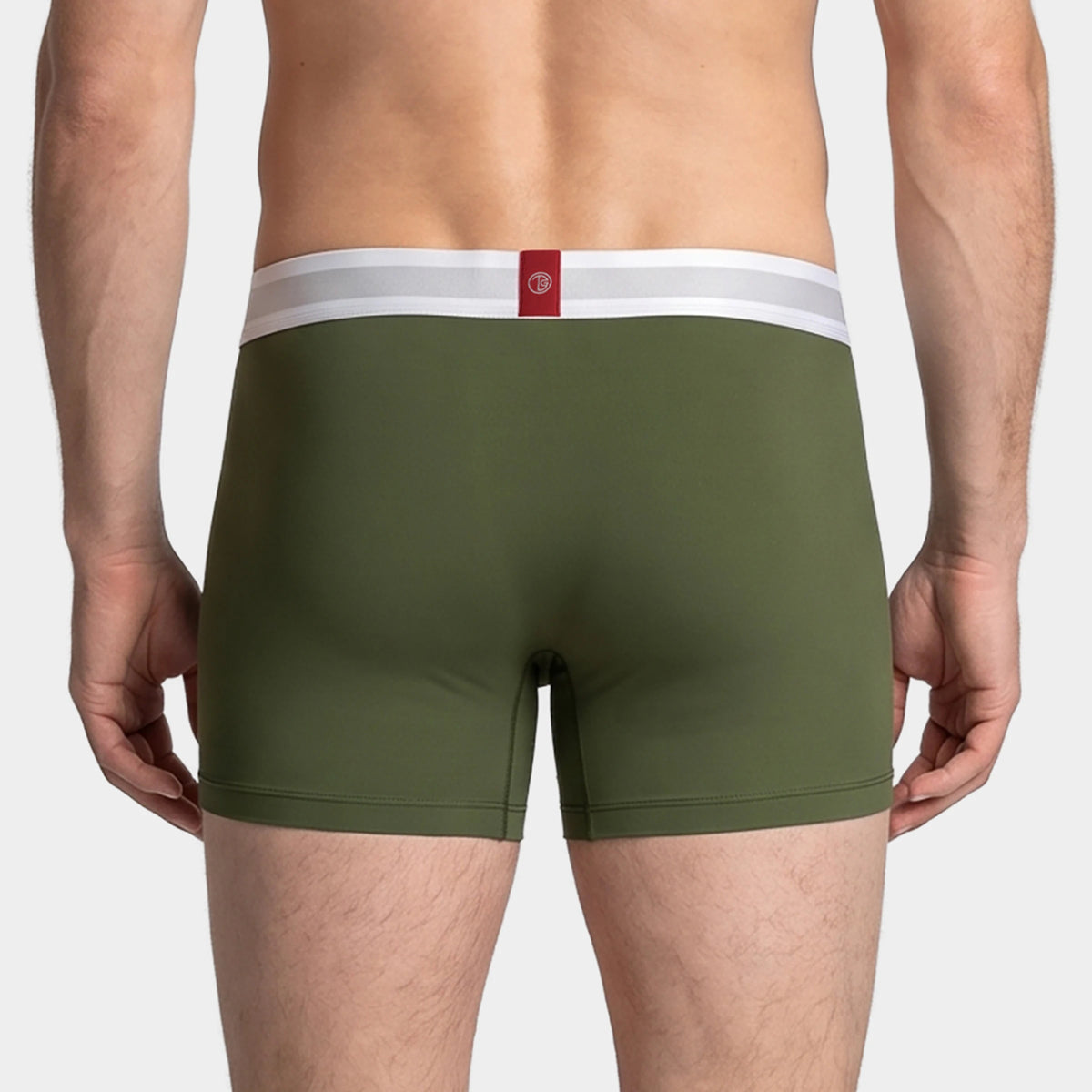
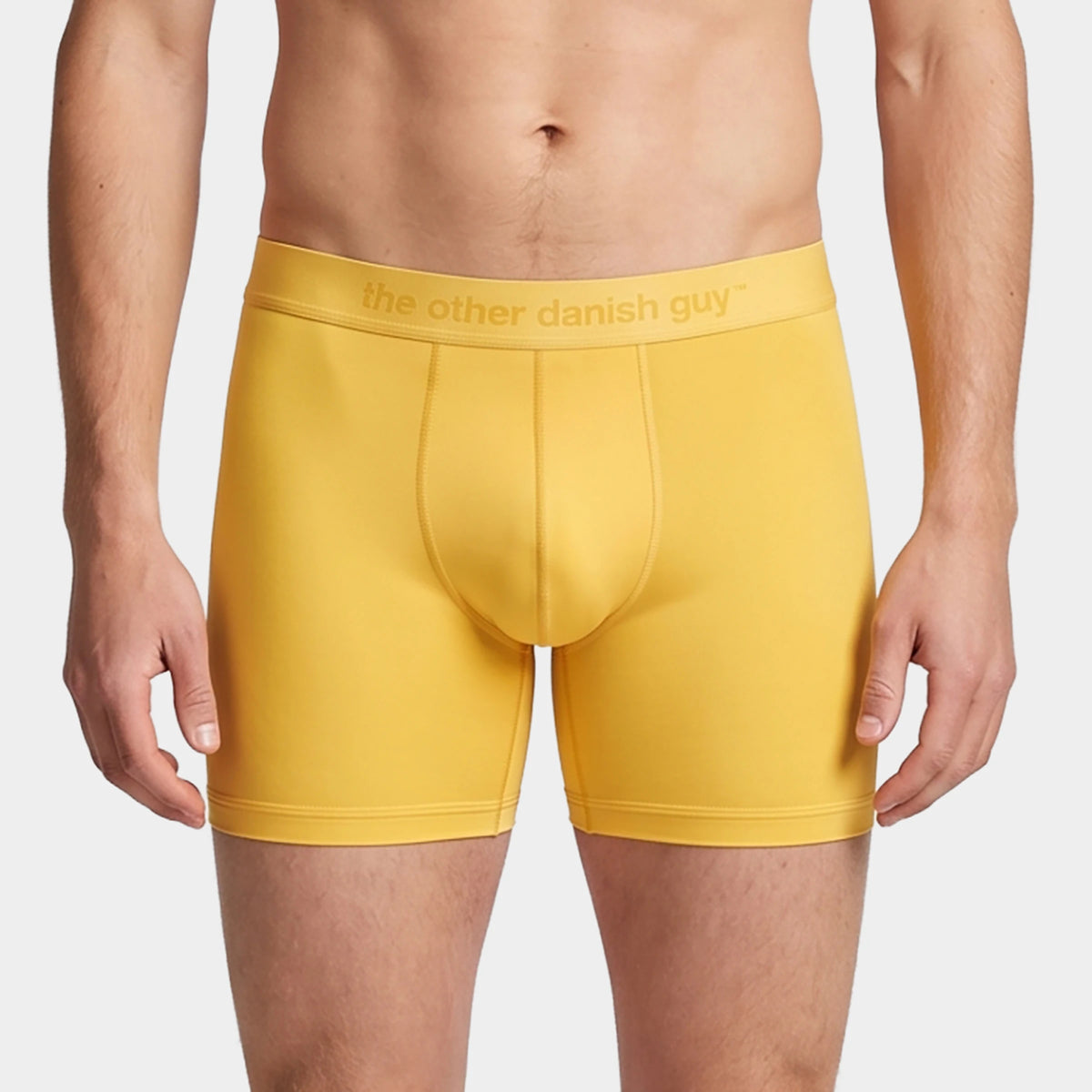
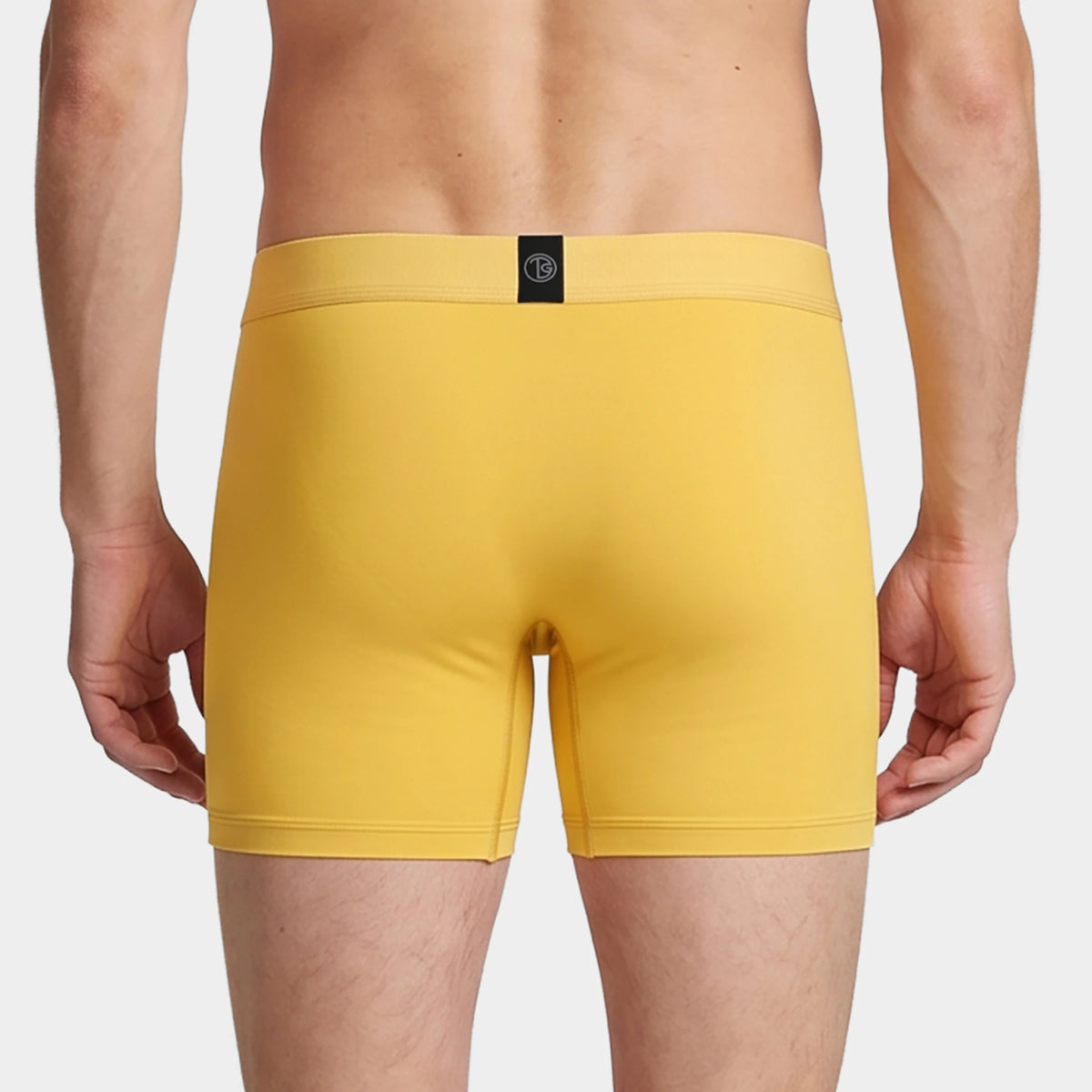
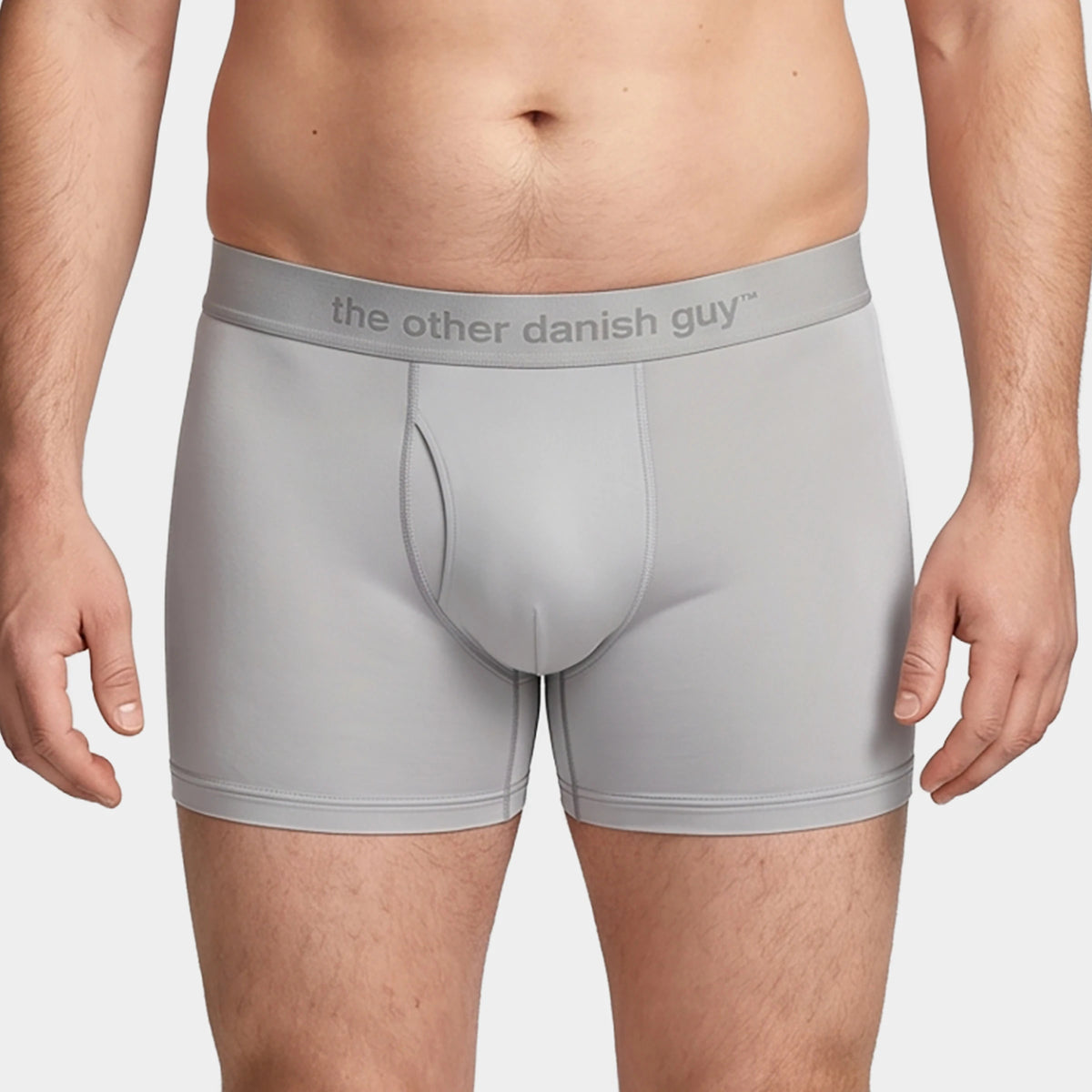
Fabric that moves the moisture
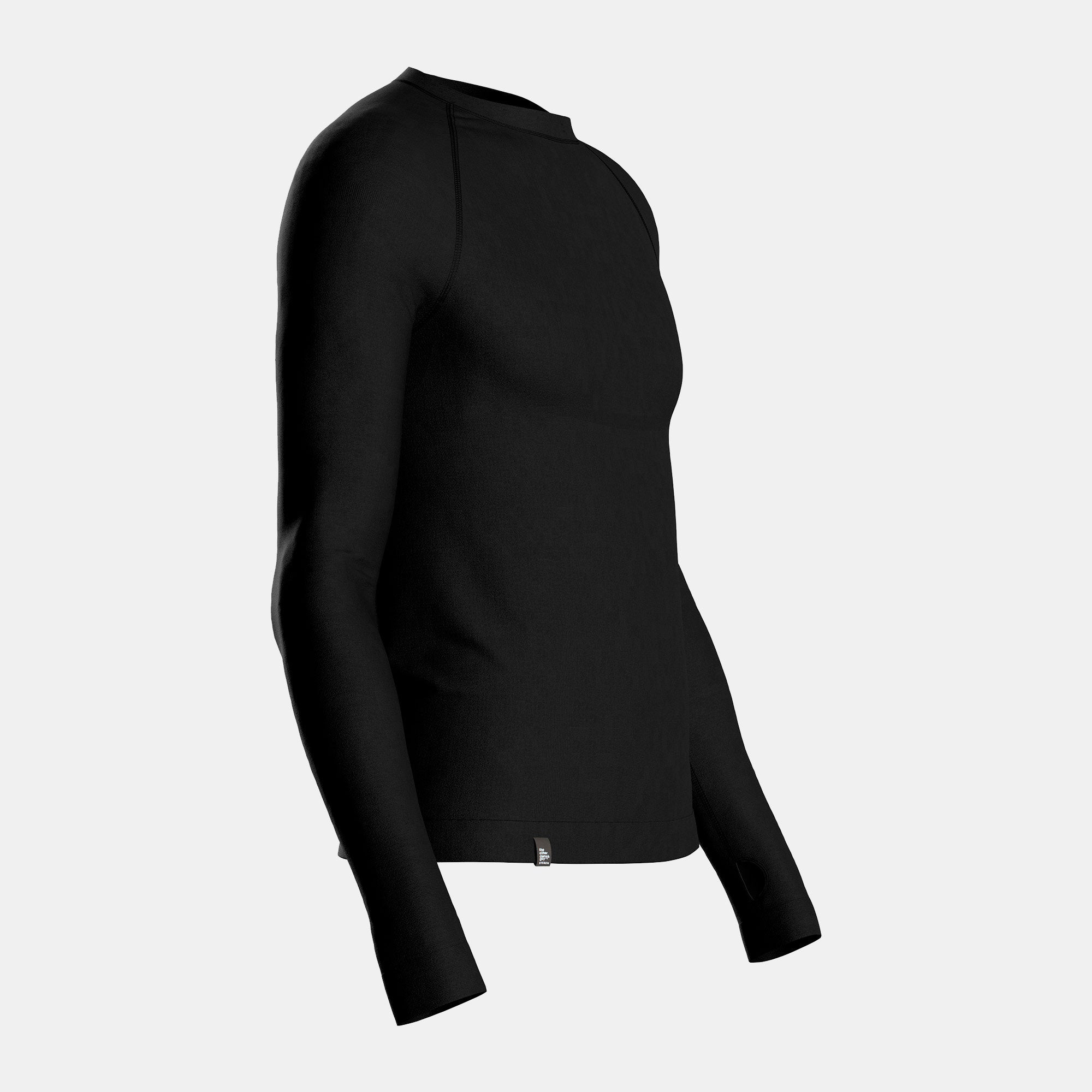
Our yarn is a very fine Italian ECONYL®, 100% regenerated polyamide. The fiber doesn't absorb moisture; it passes it on. Smoothshell™ is knitted so that both moisture and air move through it freely — which is why the underwear feels airy, meaning in practice it barely feels like anything at all. In the Stealth range the fabric is Highland Smoothshell™, combining the best of merino wool and ECONYL® fiber: dry and warm in cold weather, dry and cool in warm.
Made for people. Not only ideals.
When body size changes, shape changes too. That's why every pattern we make is designed in 3D from real body data, so the fit is the best possible for most body types. We work with Vital Mechanics, a Canadian company founded by a group of scientists from the University of British Columbia. The products are made in Northern Portugal: Impetus Têxteis S.A. is a family business, and the factory is among the most modern in Europe.
The problem nobody says out loud
Sweaty balls. There, it's been said. It's a real problem with a real mechanism, not a punchline. You have certainly noticed that every brand is trying to convince you to be moisture wicking and breathable. Don't trust the adjectives on the label. Breathable is a promise nobody polices. Read the fiber content instead, the only part of the label required by law, and read what other customers say before you buy.
The science behind the underwear.
Don't know much about a science book? No sweat. Here's everything you need to know about physics of underwear.
Made from fiber that doesn't absorb sweat but conducts it to the outer layers, where it evaporates. The direction is set by the moisture gradient and fiber geometry: liquid pulls from wet toward dry, toward where the capillary channels are narrowest and the surface area greatest.
Moisture travels along the surface of the fiber without soaking in. In practice, a property of hydrophobic fibers only.
Water vapor moves from higher vapor pressure toward lower, and vapor pressure rises with temperature. Next to the skin it is warm and humid; further out, cooler and drier — so vapor pushes outward. The body works like a heat pump. And because evaporation binds heat, it cools the skin at the same time.
Not ventilation, but the rate of water vapor transmission, measured on the MVTR scale (g/m² per 24 h). Under 5,000 is a modest figure, around 10,000 is considered good, over 20,000 is enough for running and the mountains, and the best membranes reach about 40,000.
Synthetic fiber — polypropylene, polyester, polyamide (e.g. ECONYL®).
Natural fibers are mostly hydrophilic: they absorb moisture into themselves. Cotton binds the most; linen dries faster and feels cooler. Bamboo/viscose is regenerated cellulose that binds as much moisture as cotton, although it is often marketed as moisture-wicking.
When cotton binds moisture, air gets pushed out — and air is the insulating layer that keeps a human warm. Soaked fabric moves heat off the skin roughly 25 times faster than air: water conducts heat at about 0.6 W/(m·K), air at about 0.026. In mountain conditions, the heat loss that follows can be fatal.
Of the natural fibers, merino wool manages moisture best — by a different mechanism than synthetics. It binds moisture as vapor and stays warm even when wet.
No. In quality technical underwear the pattern and the knit matter as much as the fiber: the best hydrophobic fiber fails if the knit or the cut is done poorly
Sources
Garg, S., Midha, V. K., & Sikka, M. (2022). Studies on thermal comfort of multi-layered fabric assembly after wetting with sweat and distilled water. Journal of Industrial Textiles, 52. https://doi.org/10.1177/15280837221110105
Sanak, T., Putowski, M., Krzeptowski-Sabała, S. et al. (2025). Conductive heat loss in simulated outdoor settings: a preliminary experimental human study. Int J Emerg Med 18, 235. https://doi.org/10.1186/s12245-025-01034-8