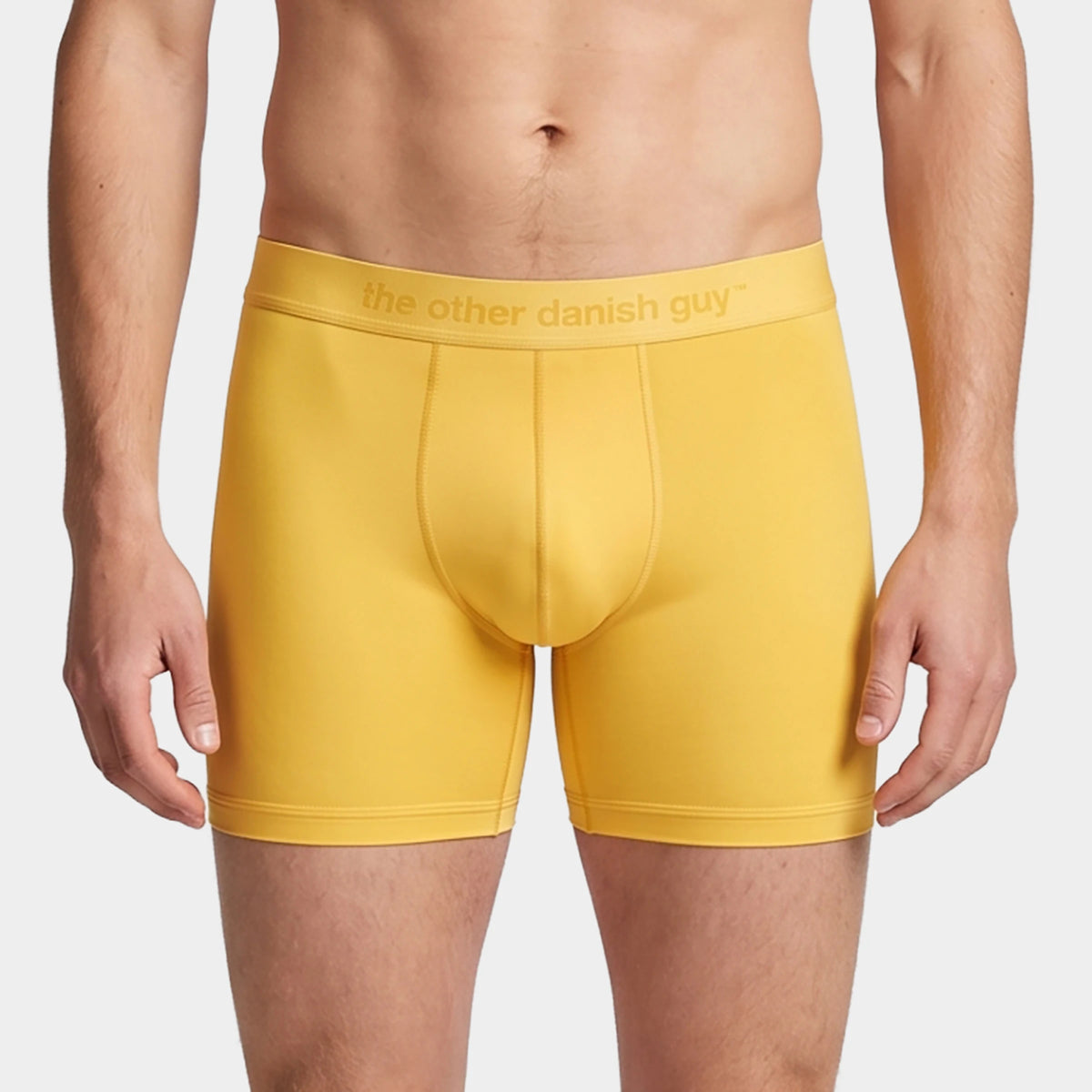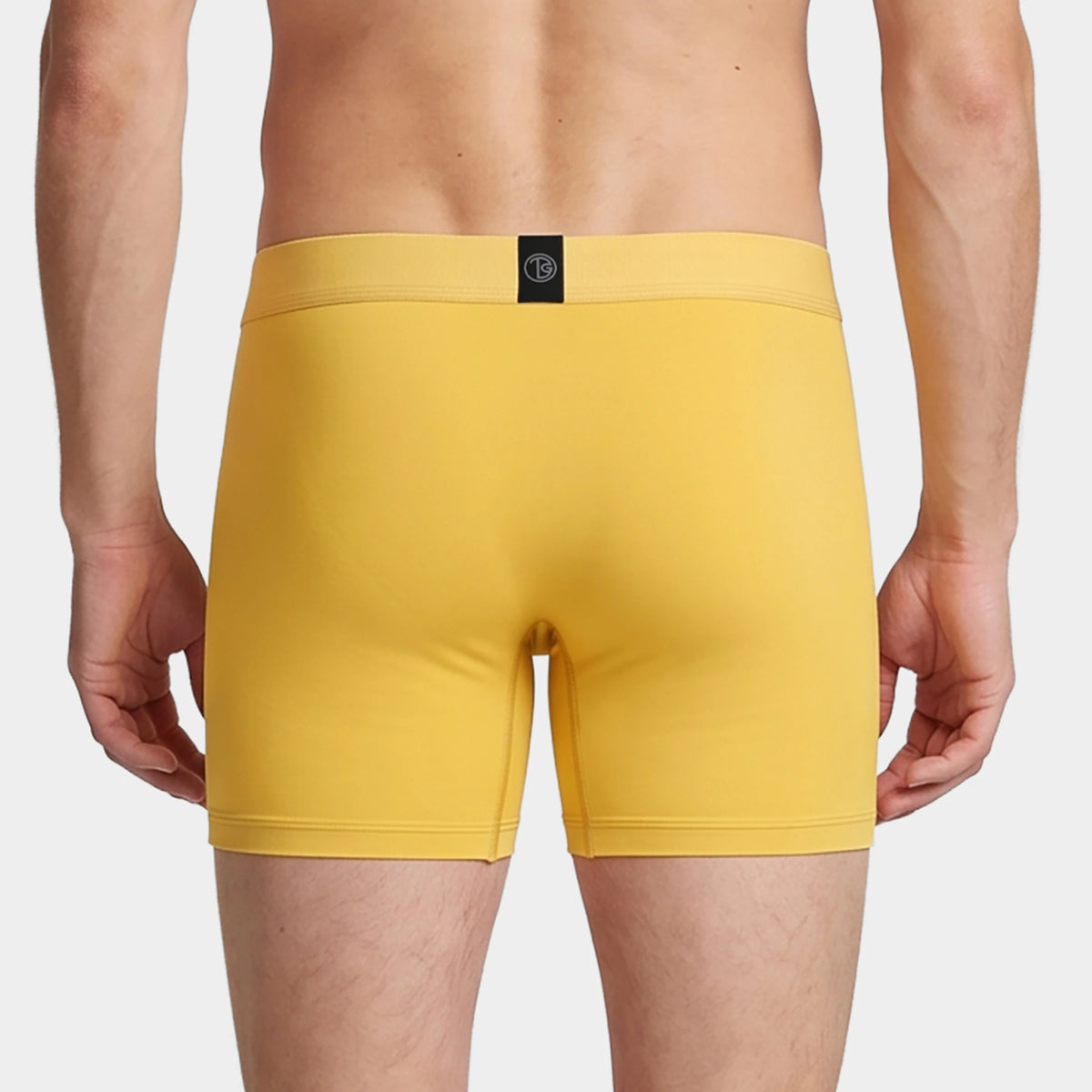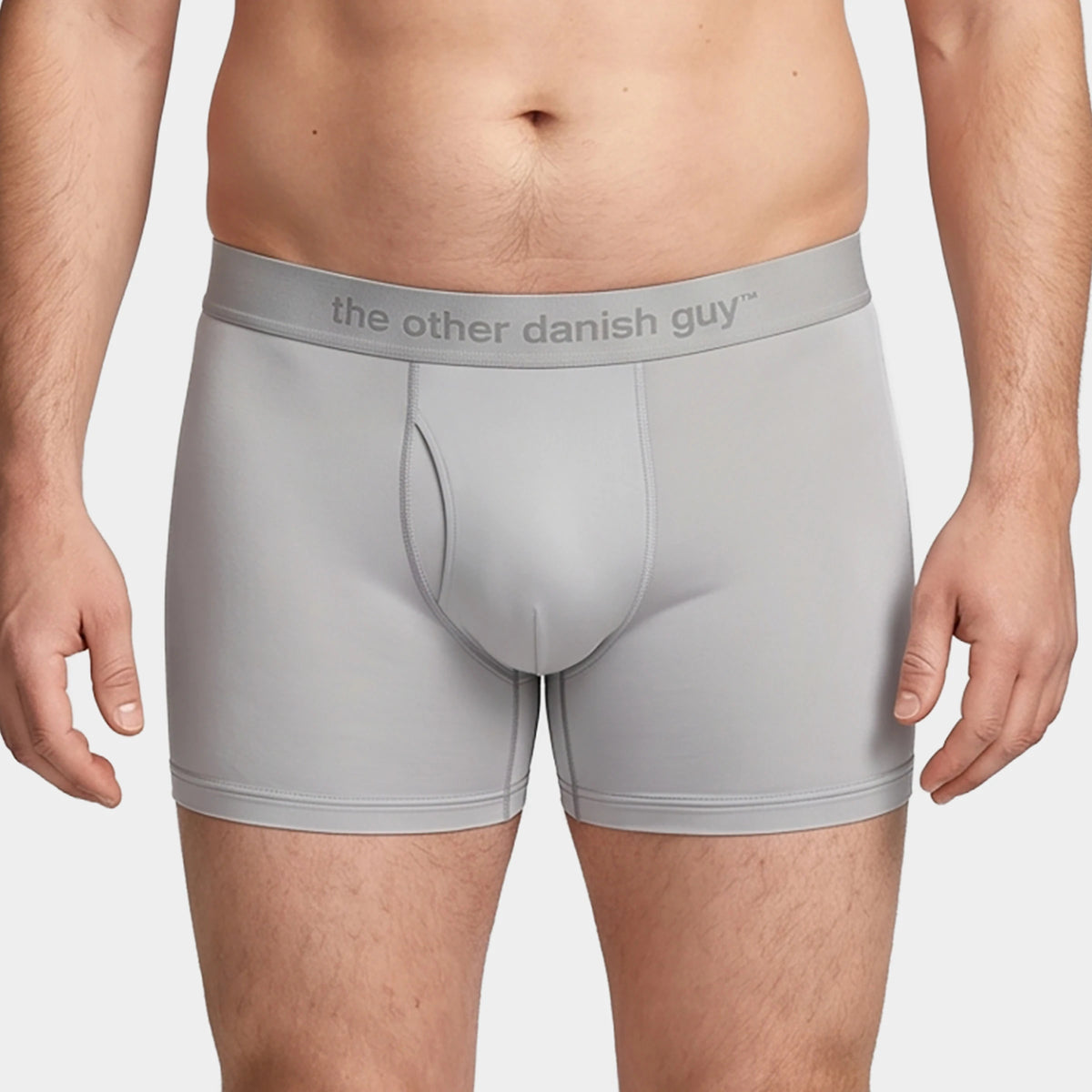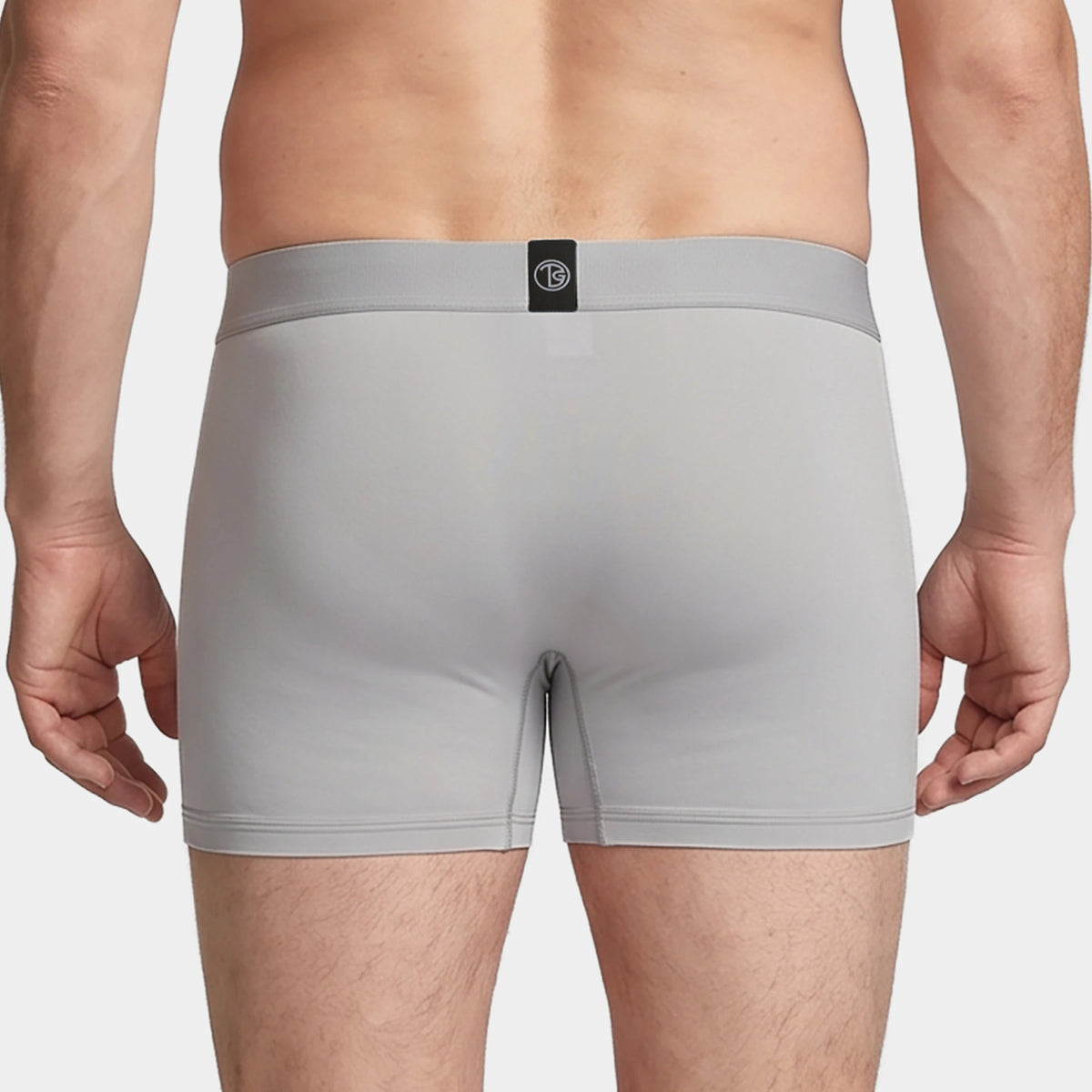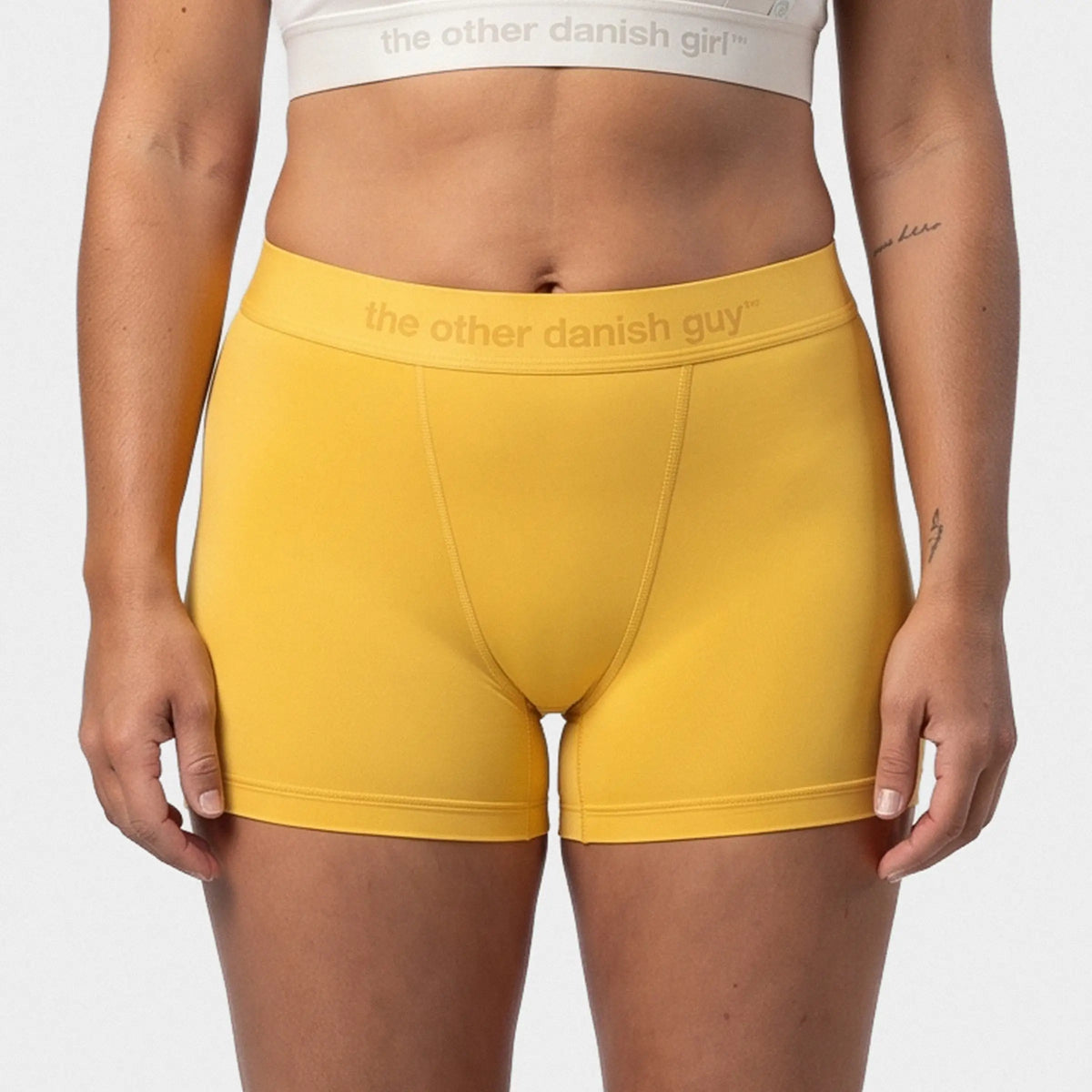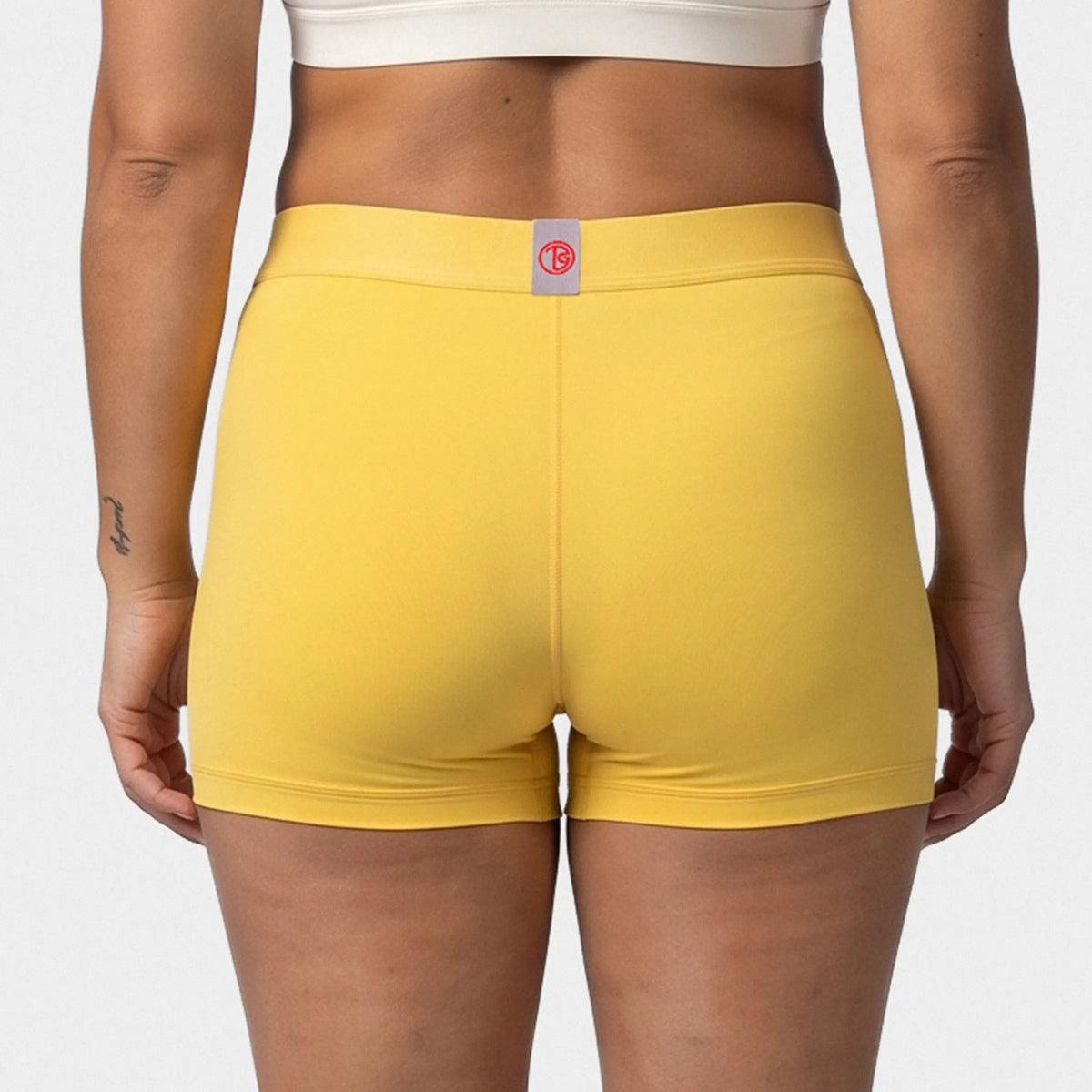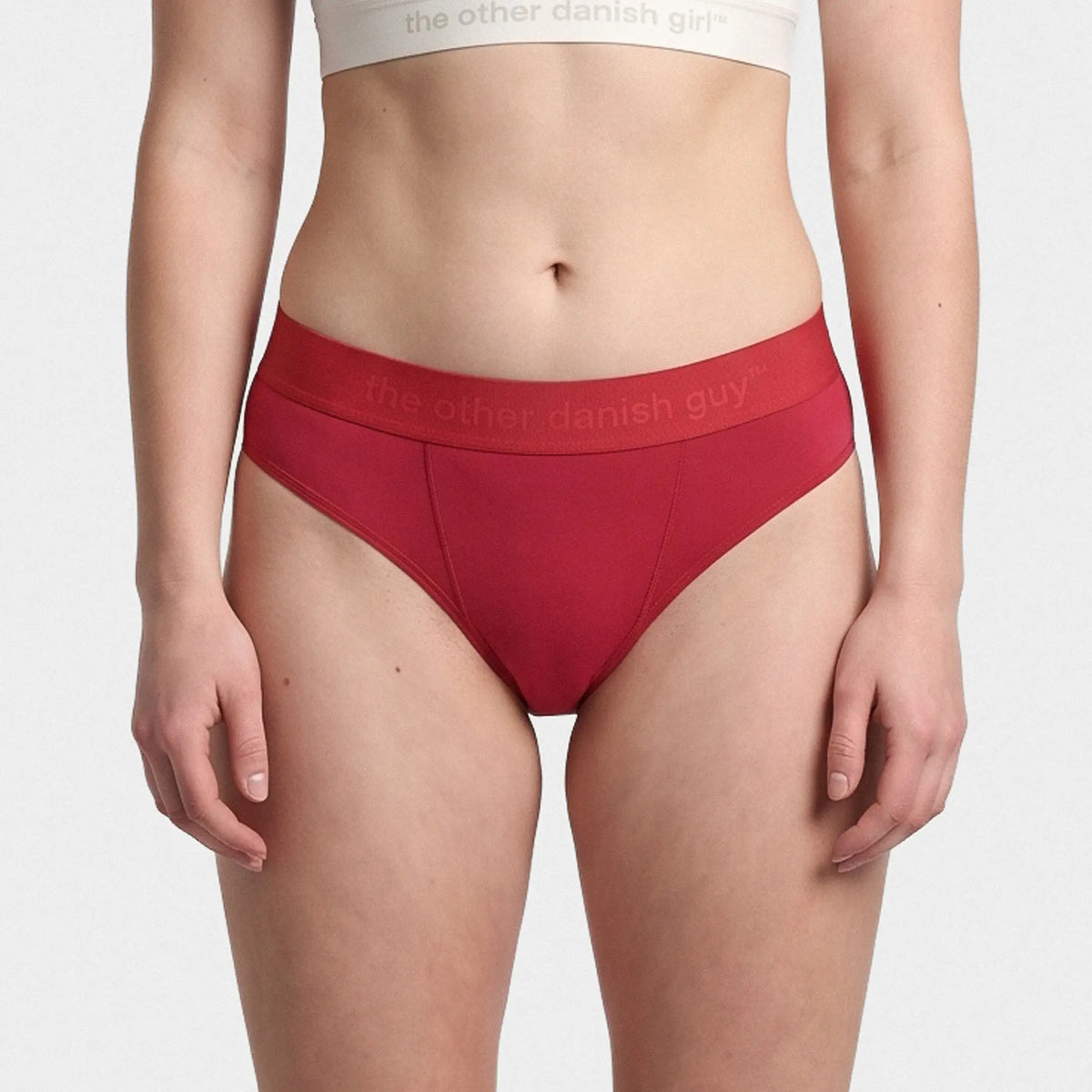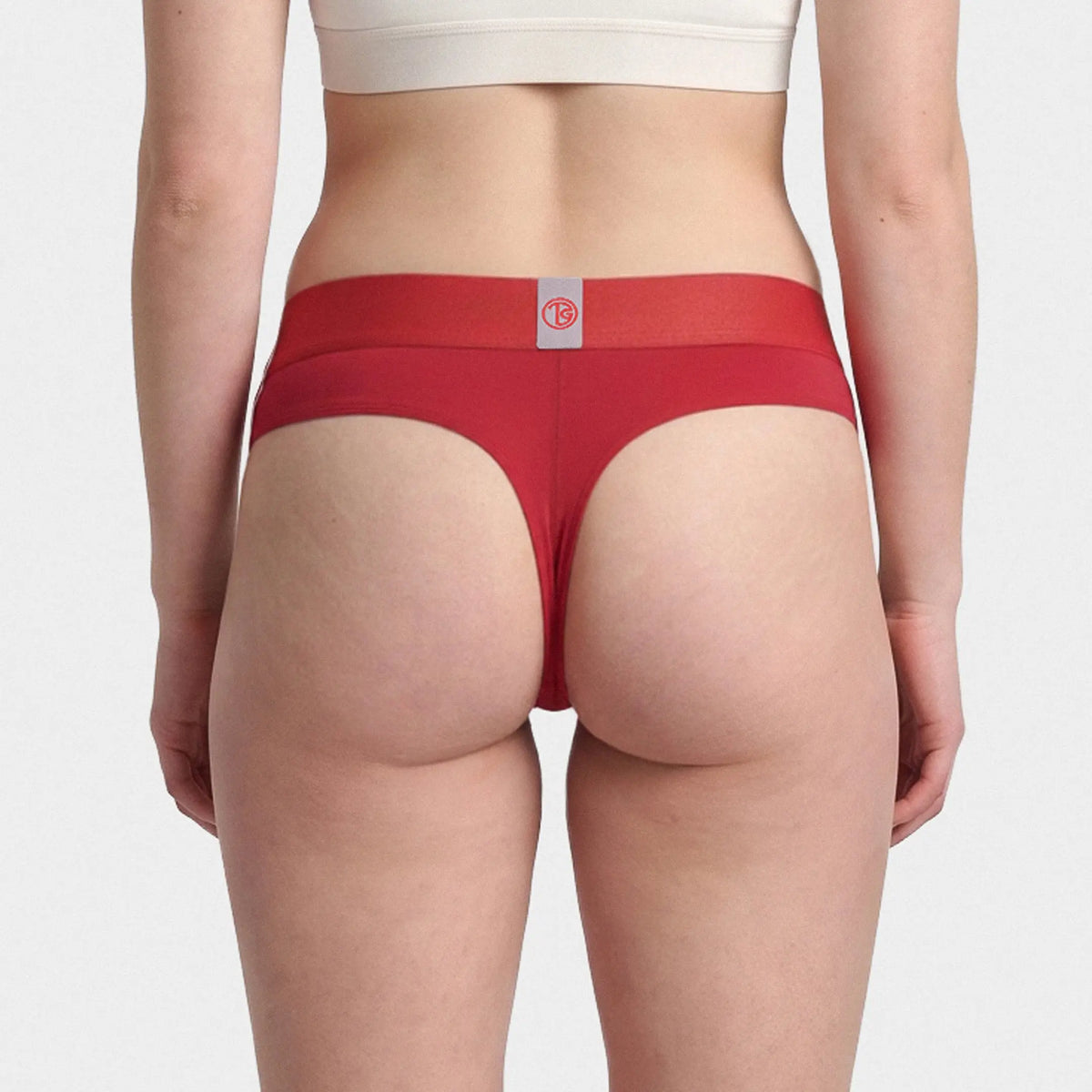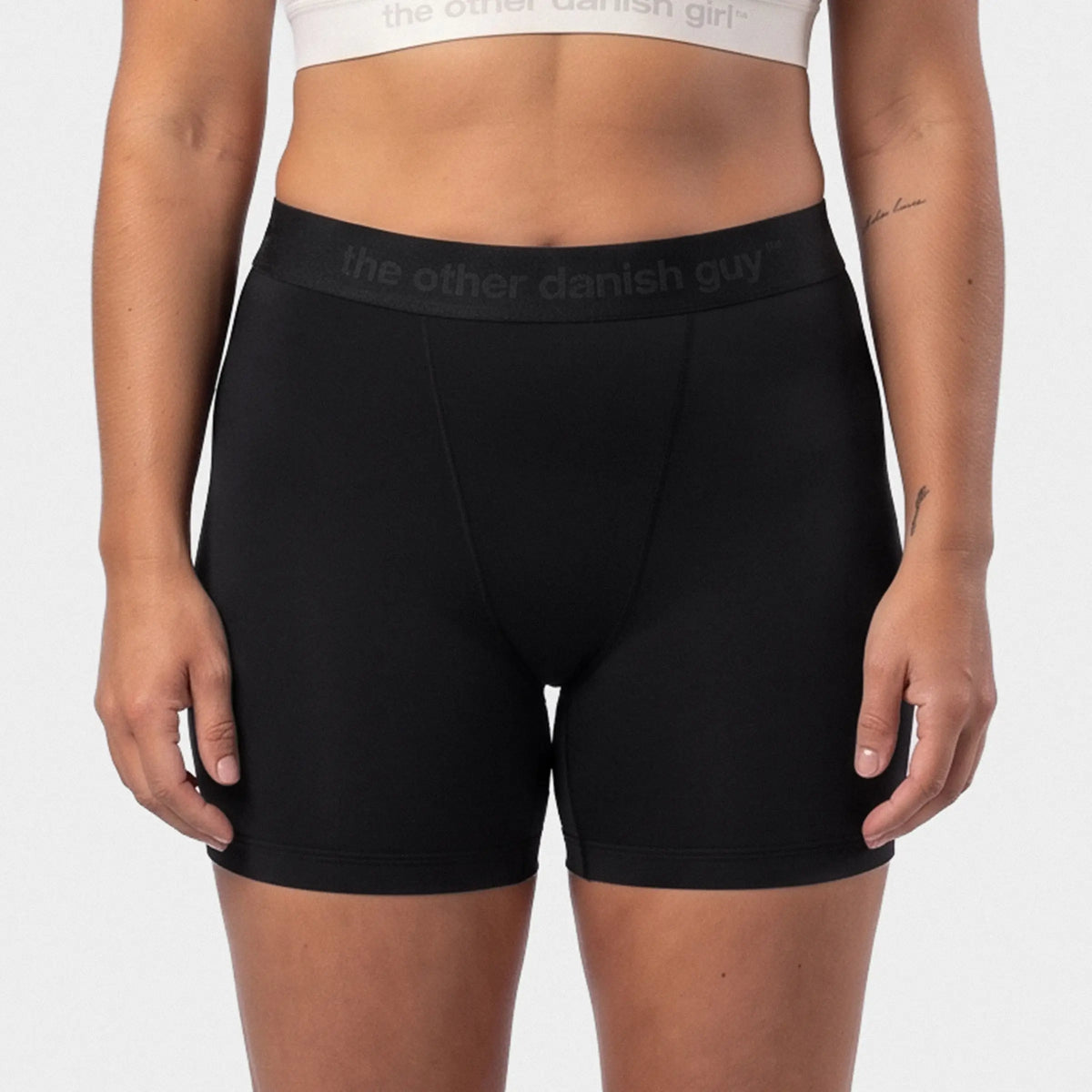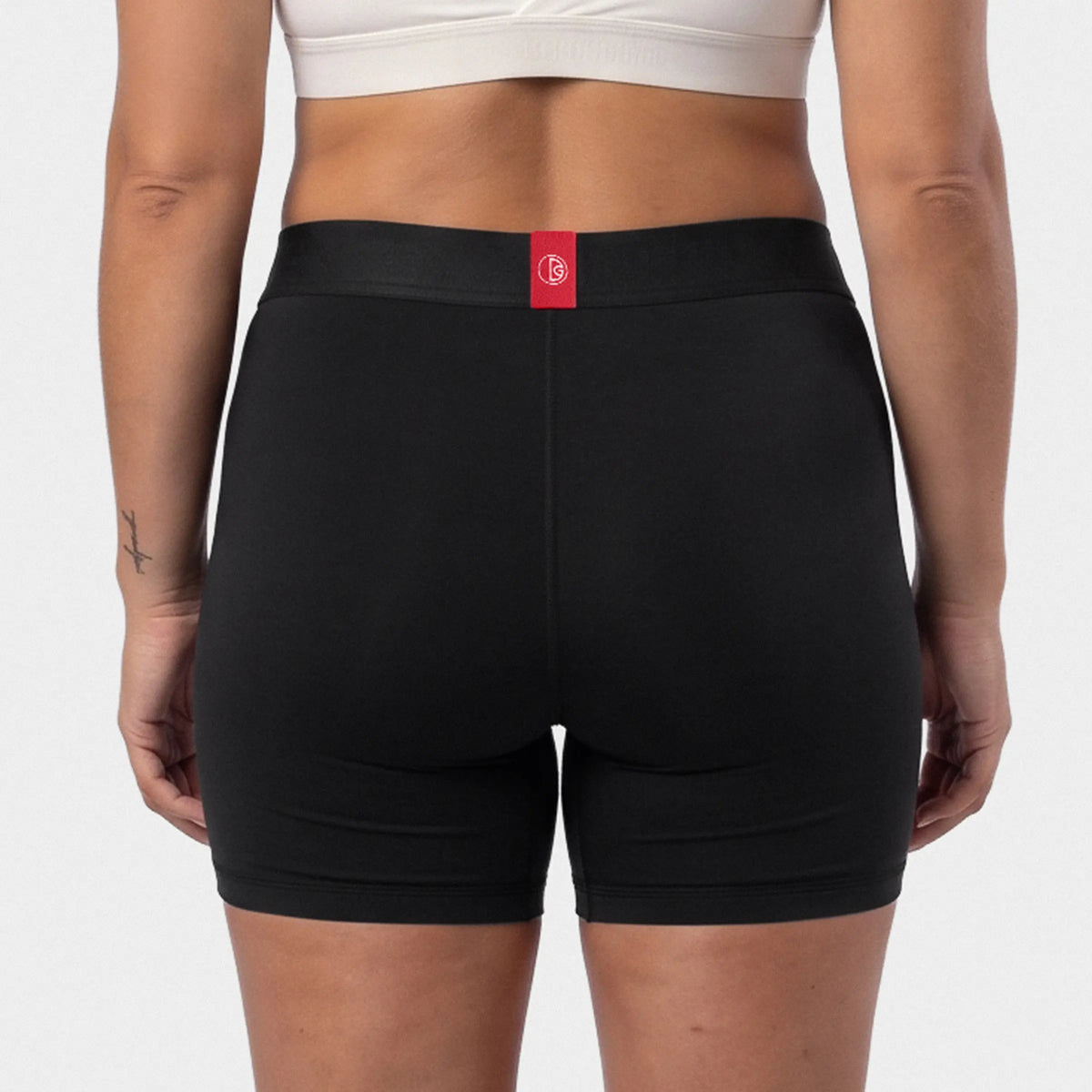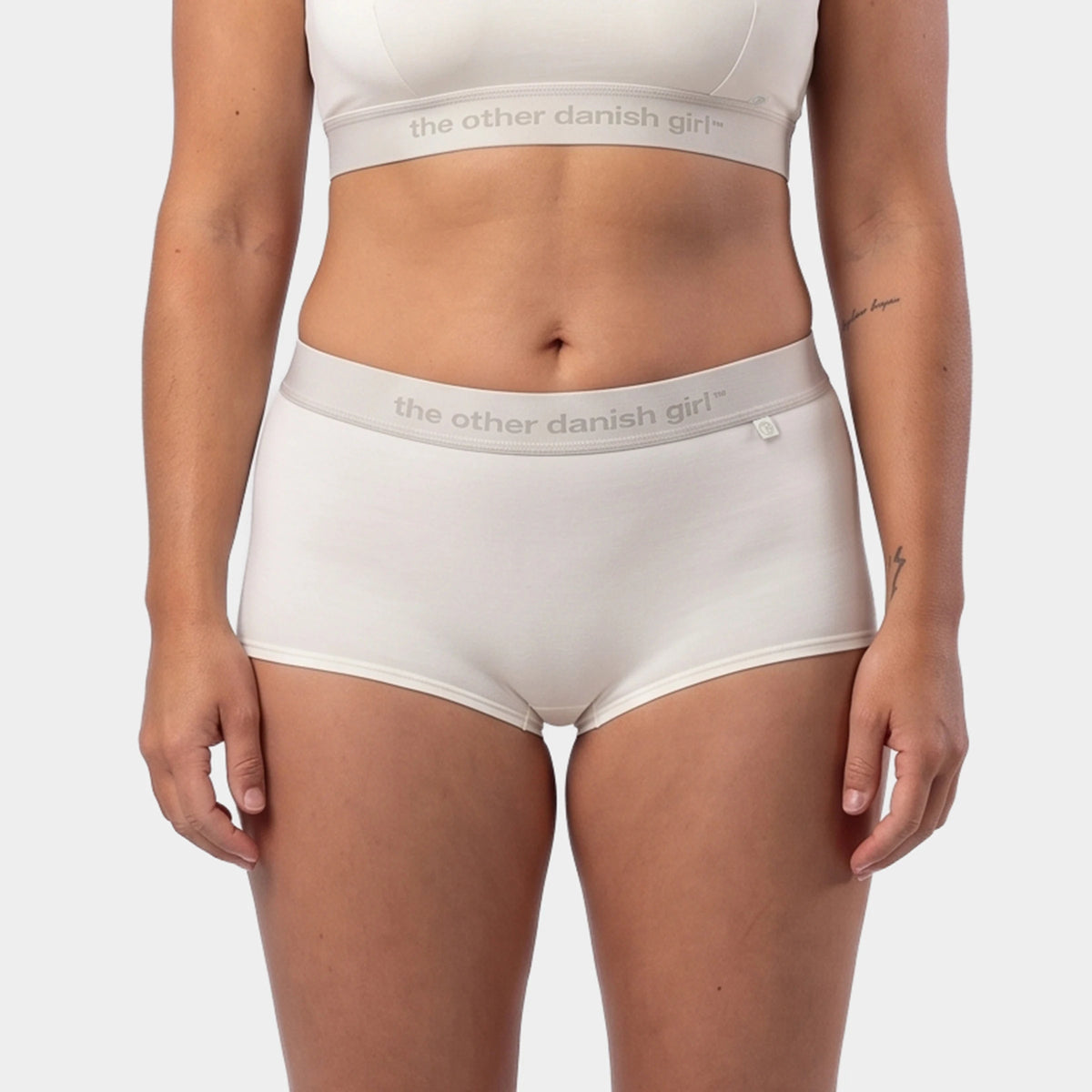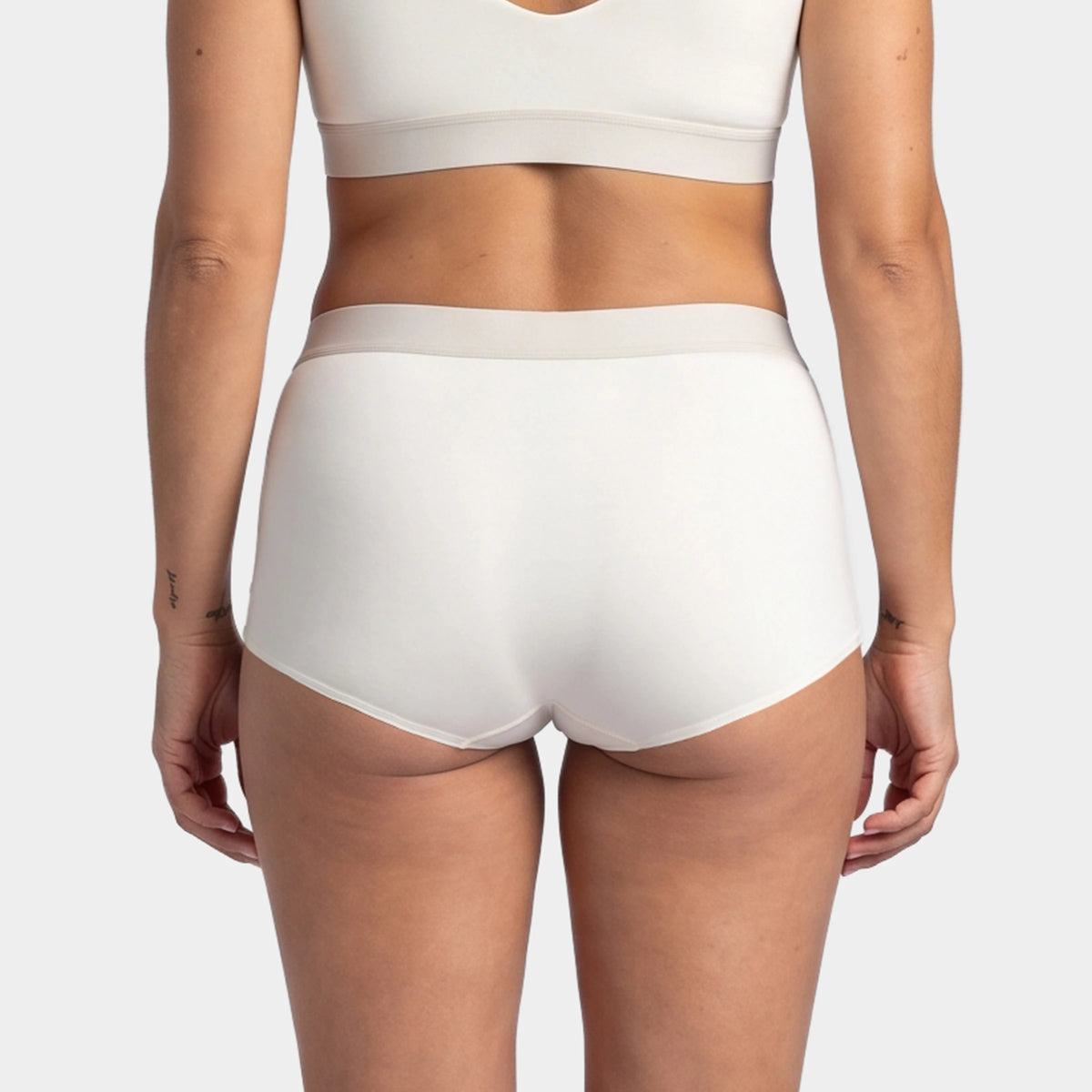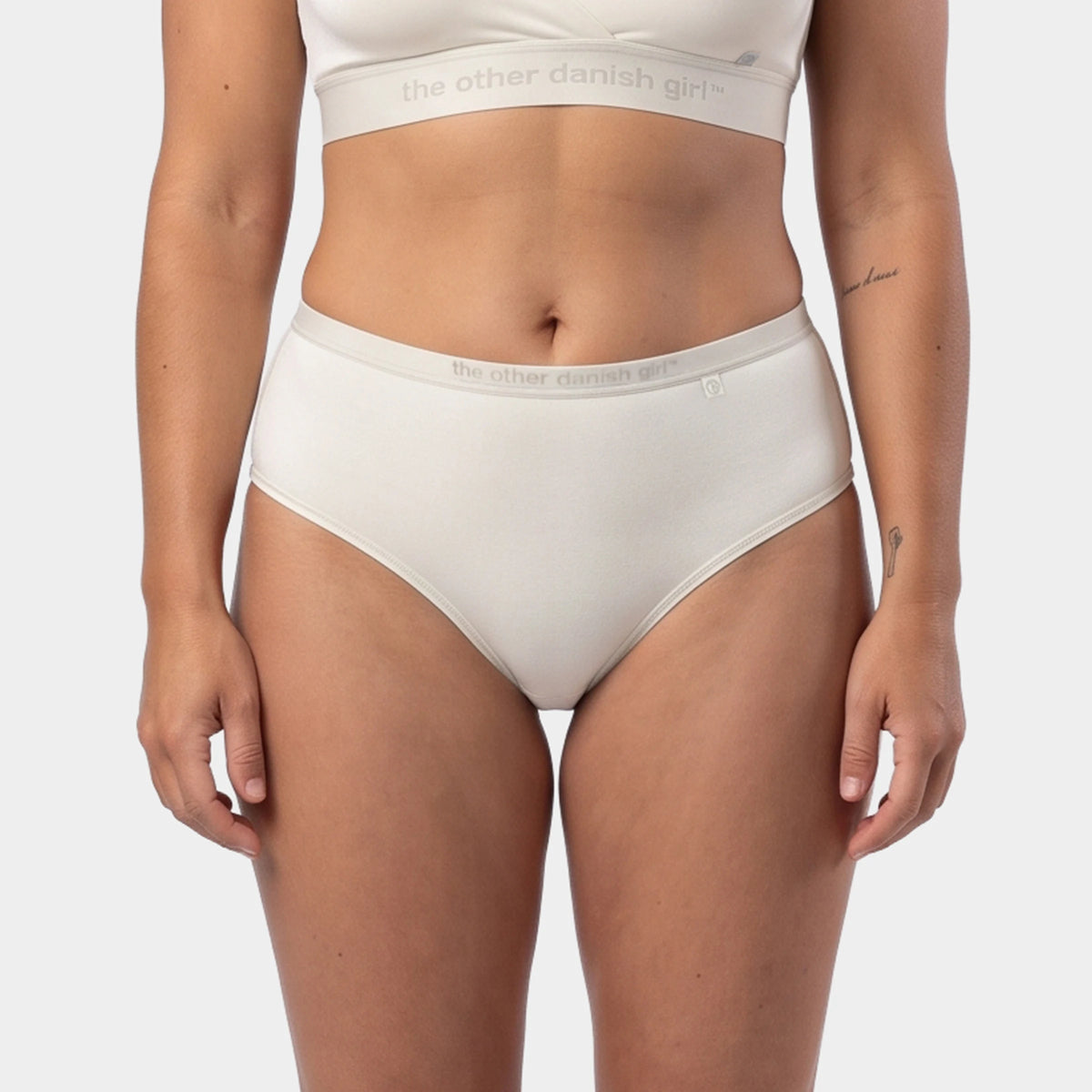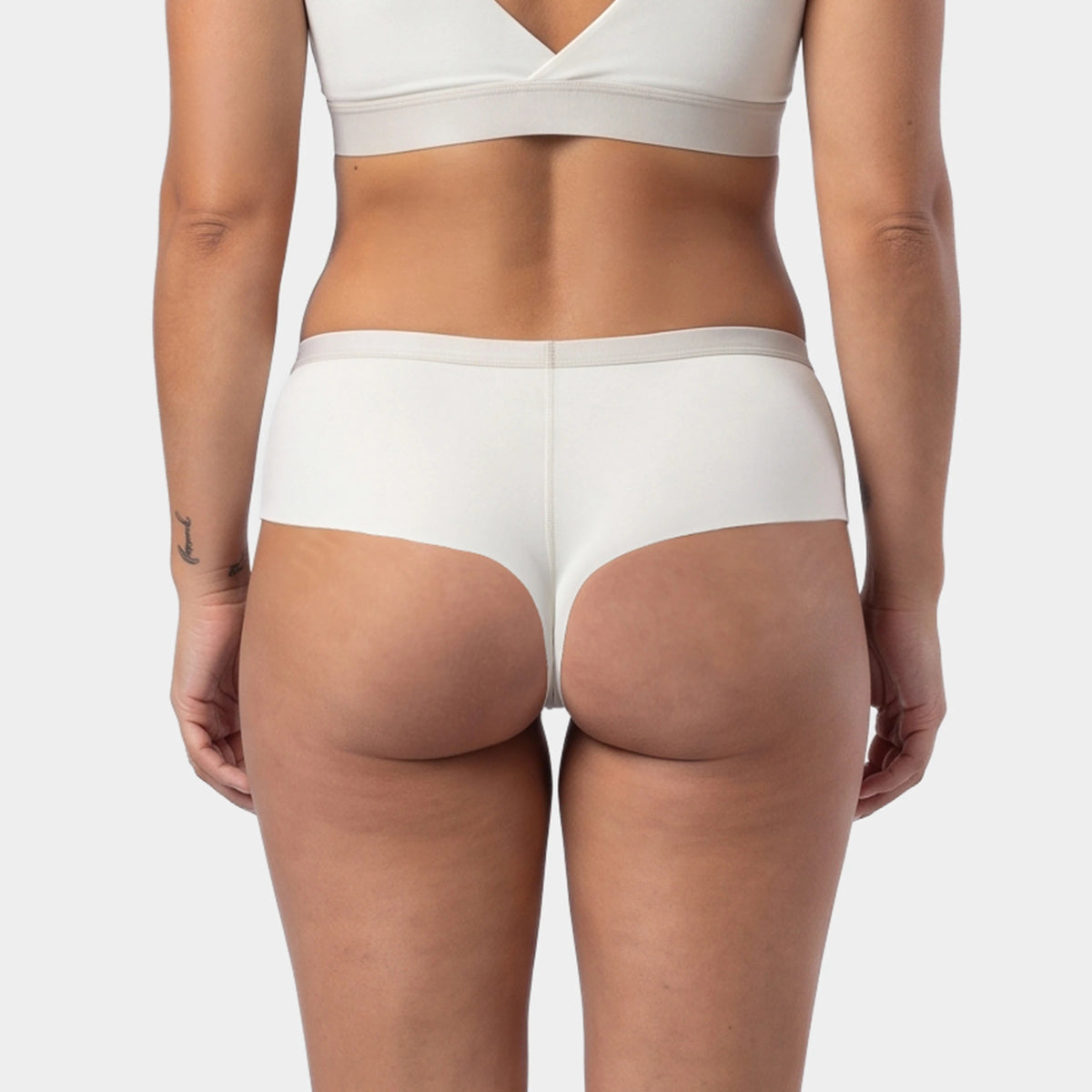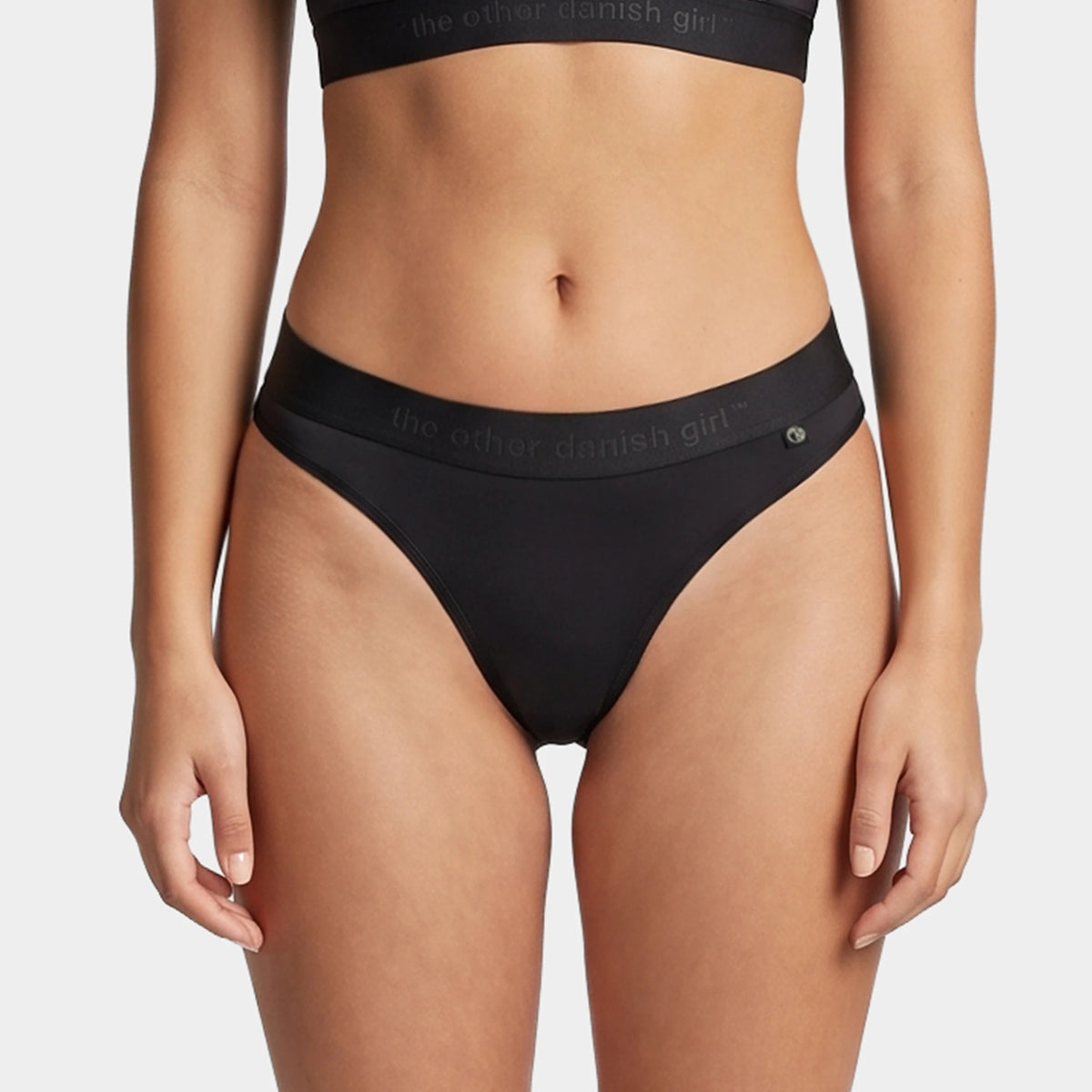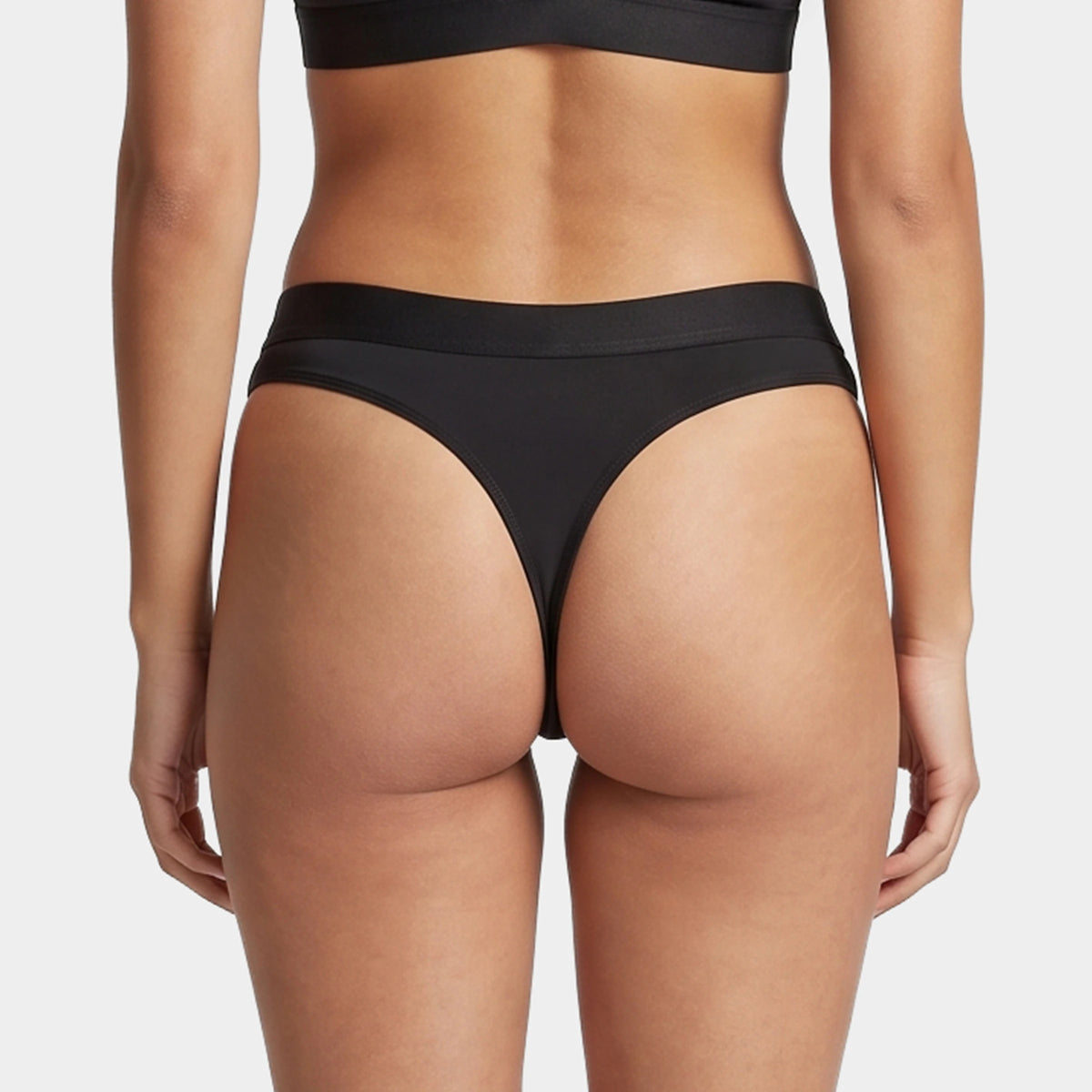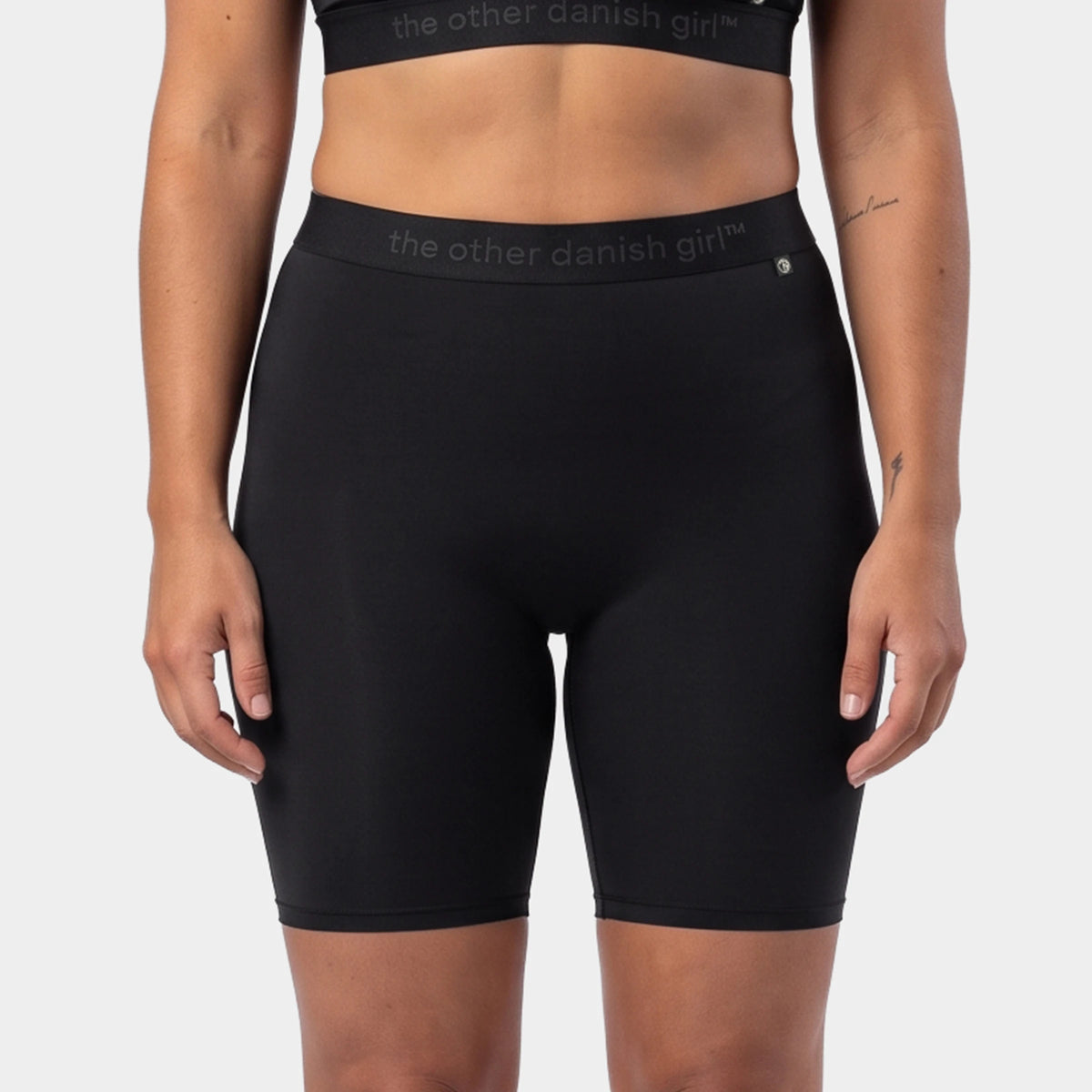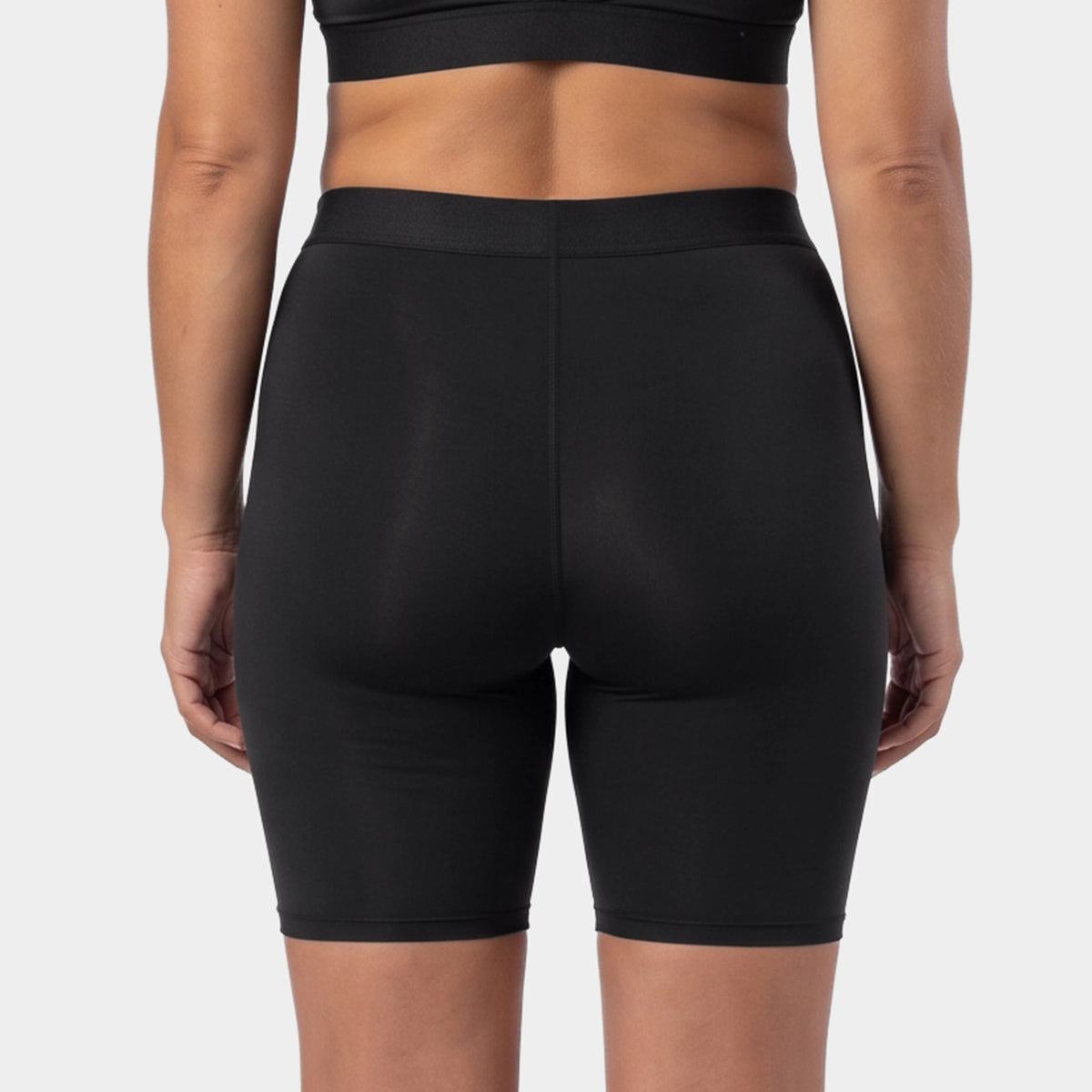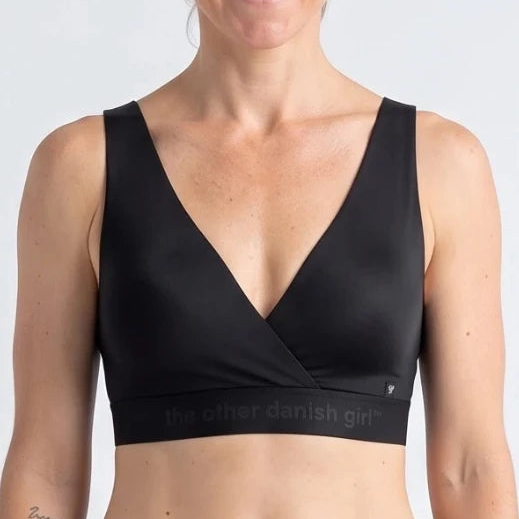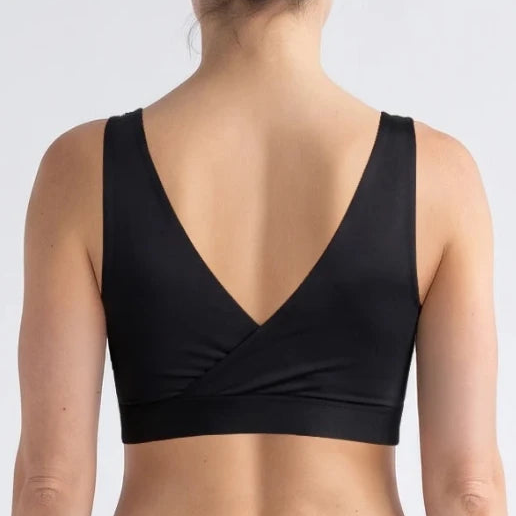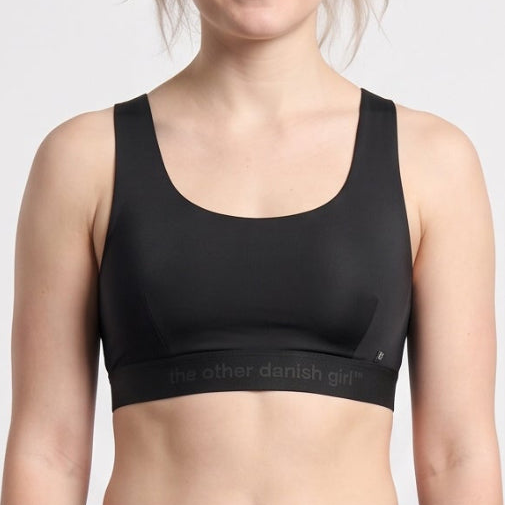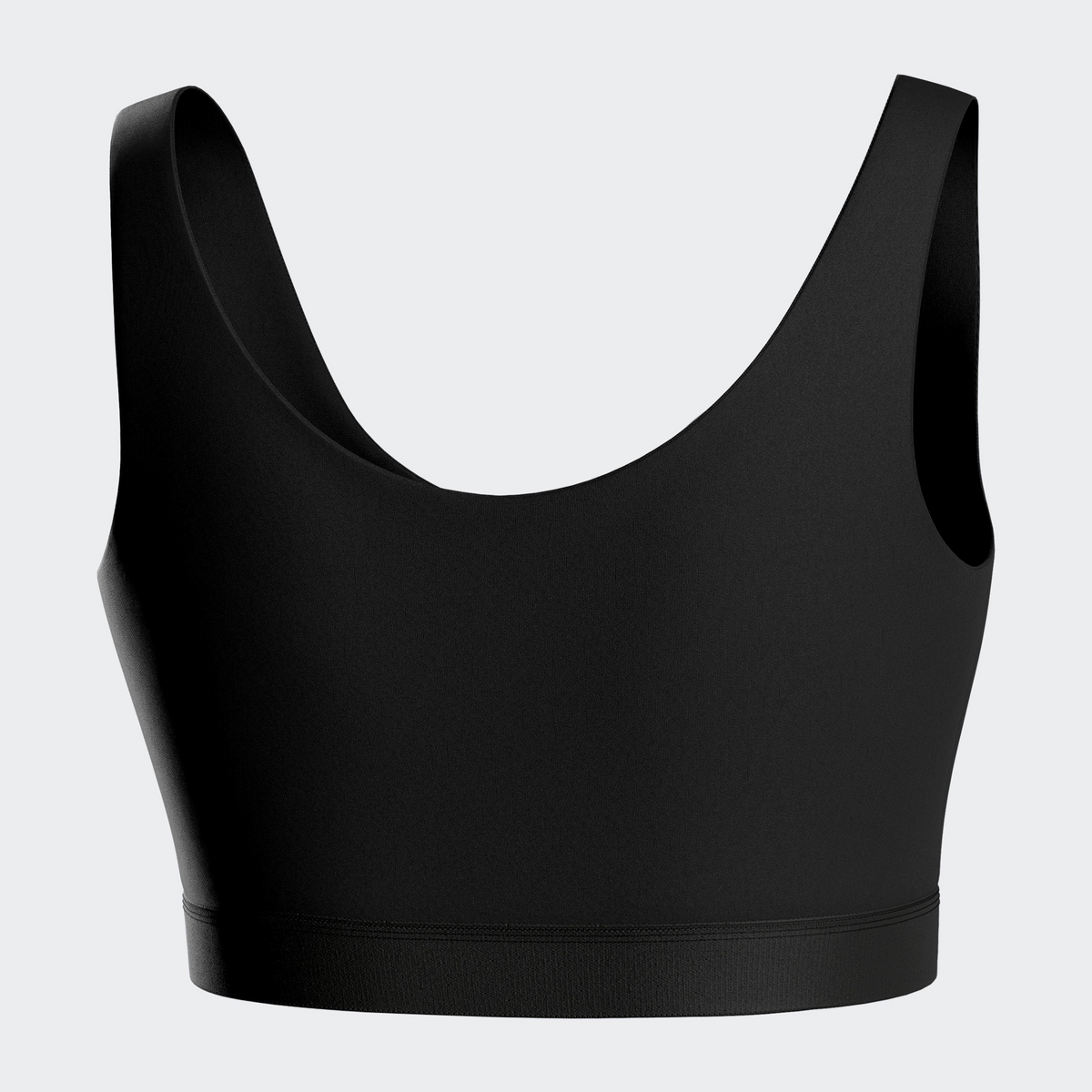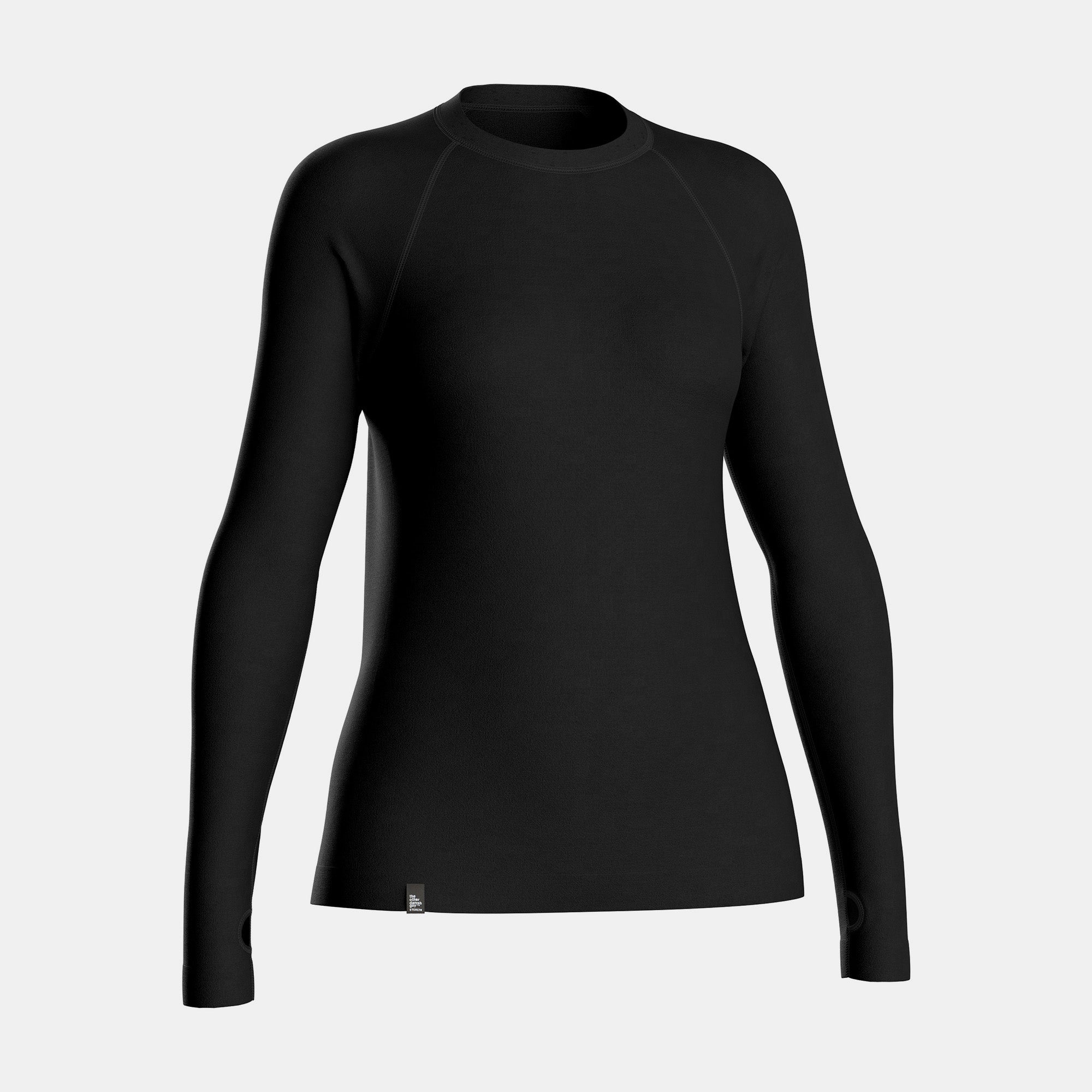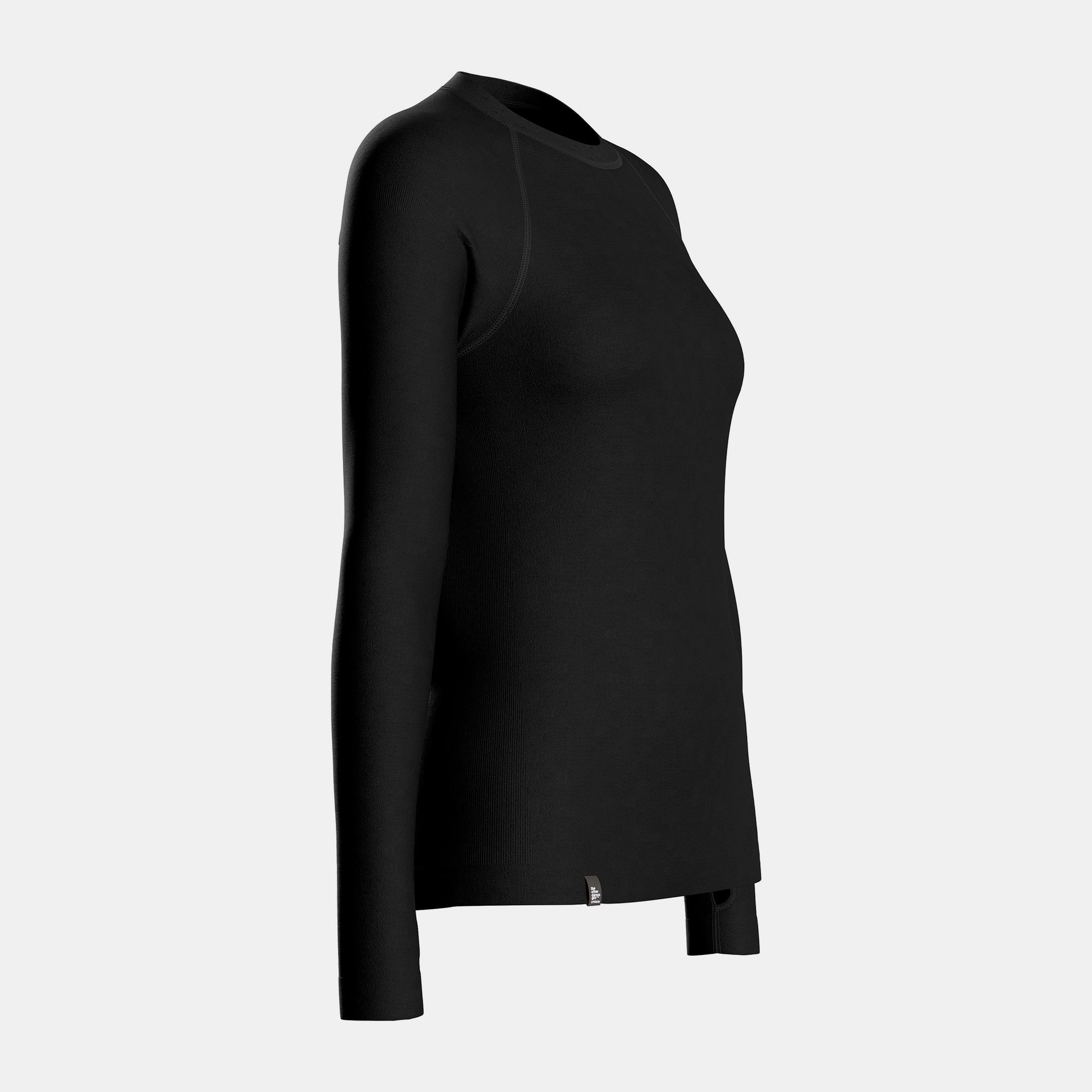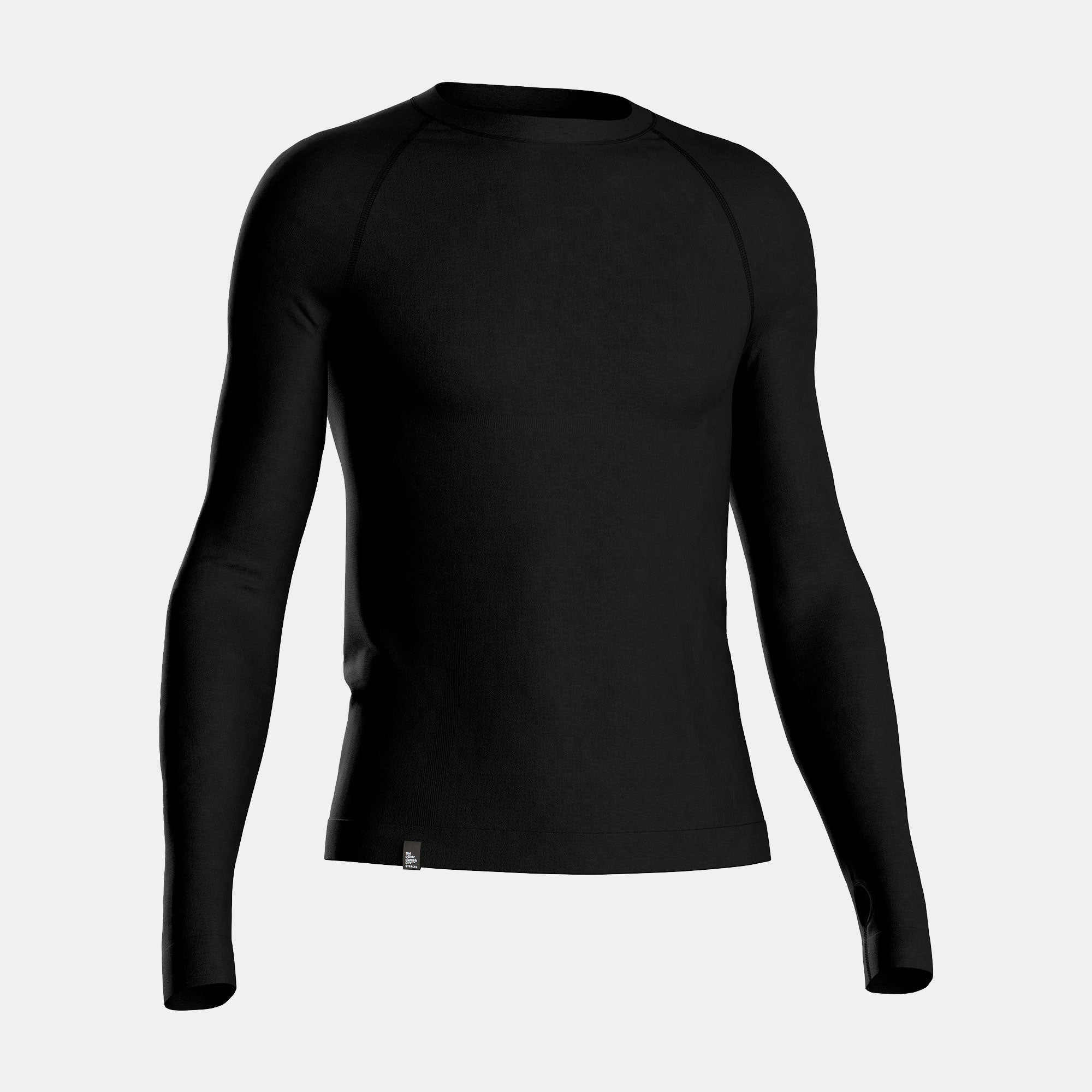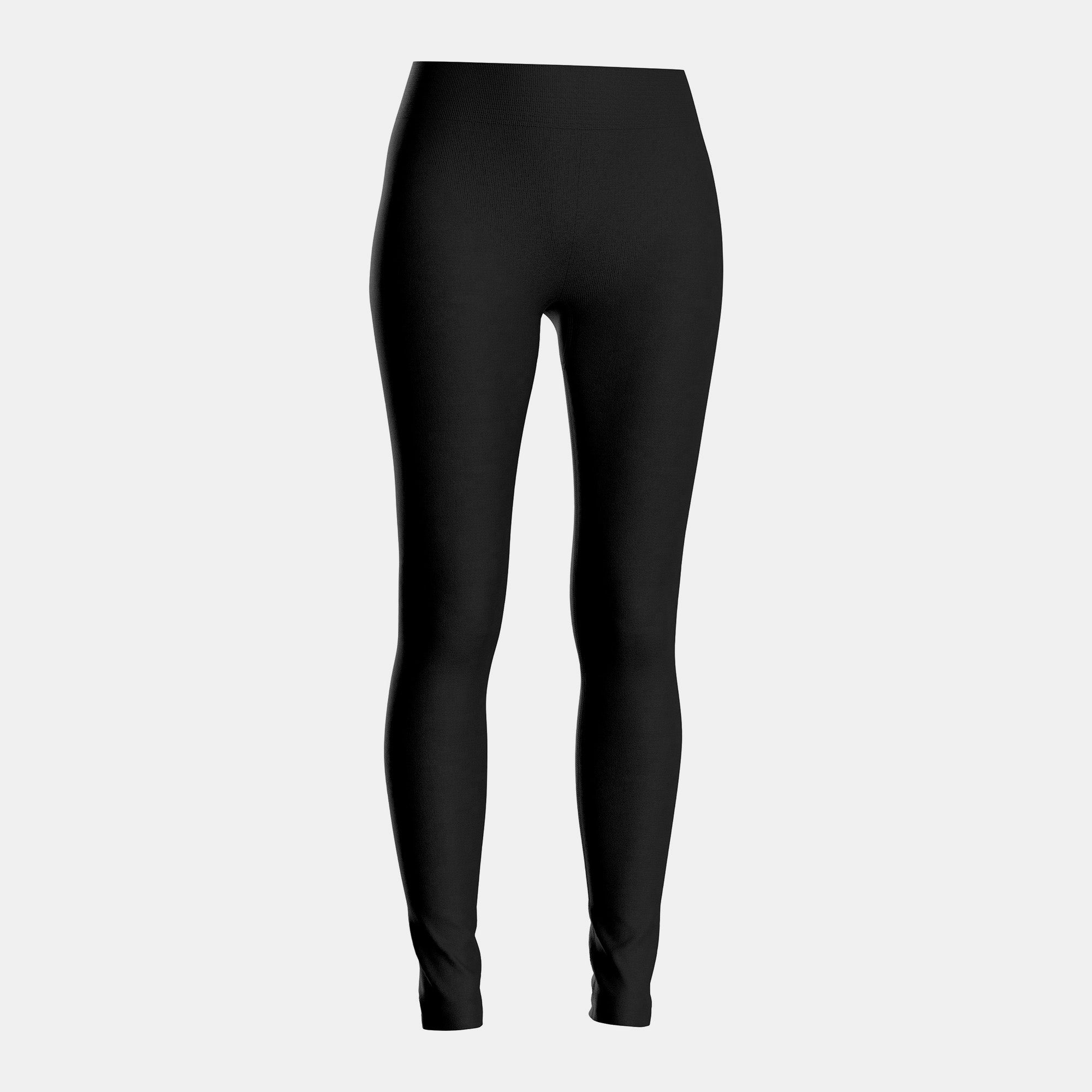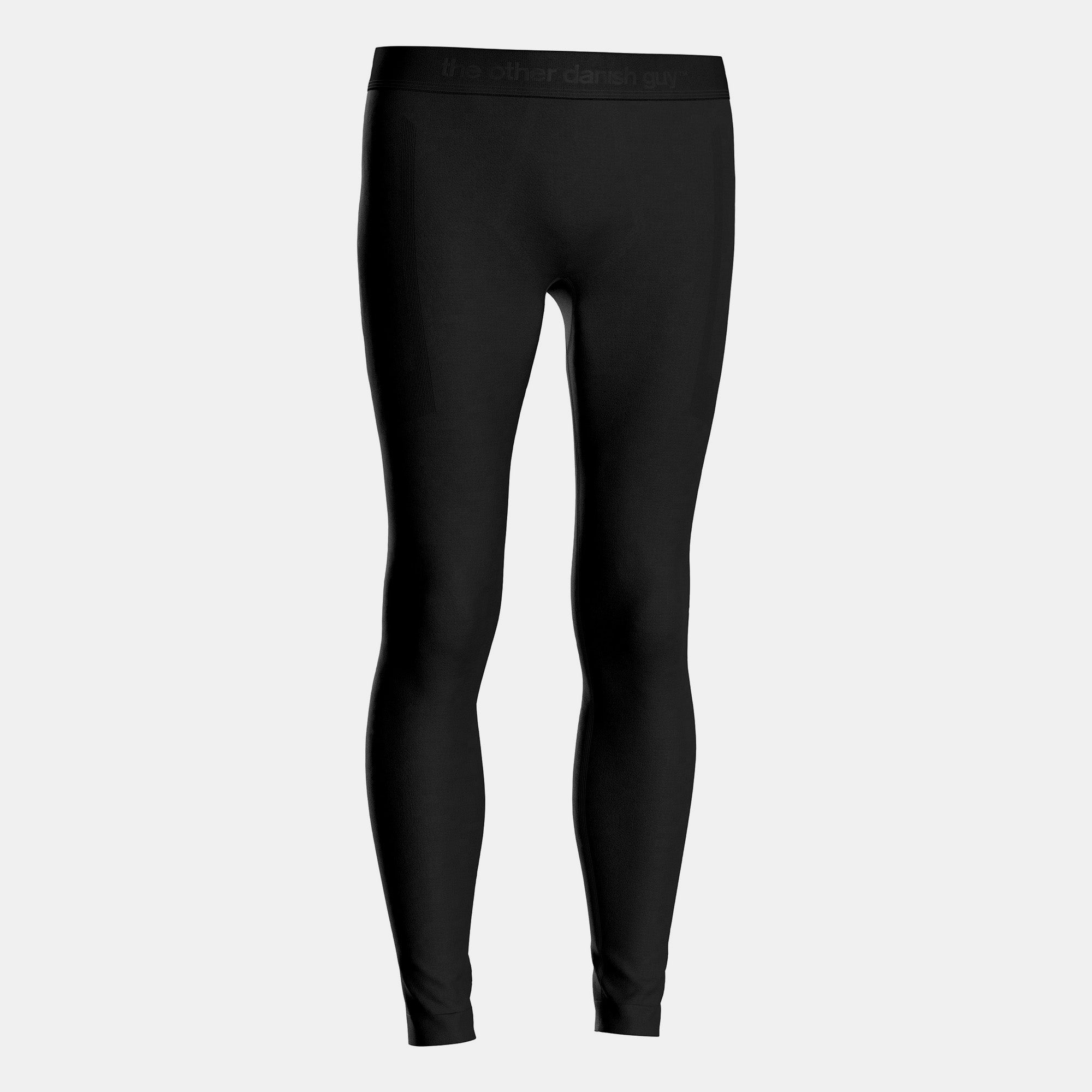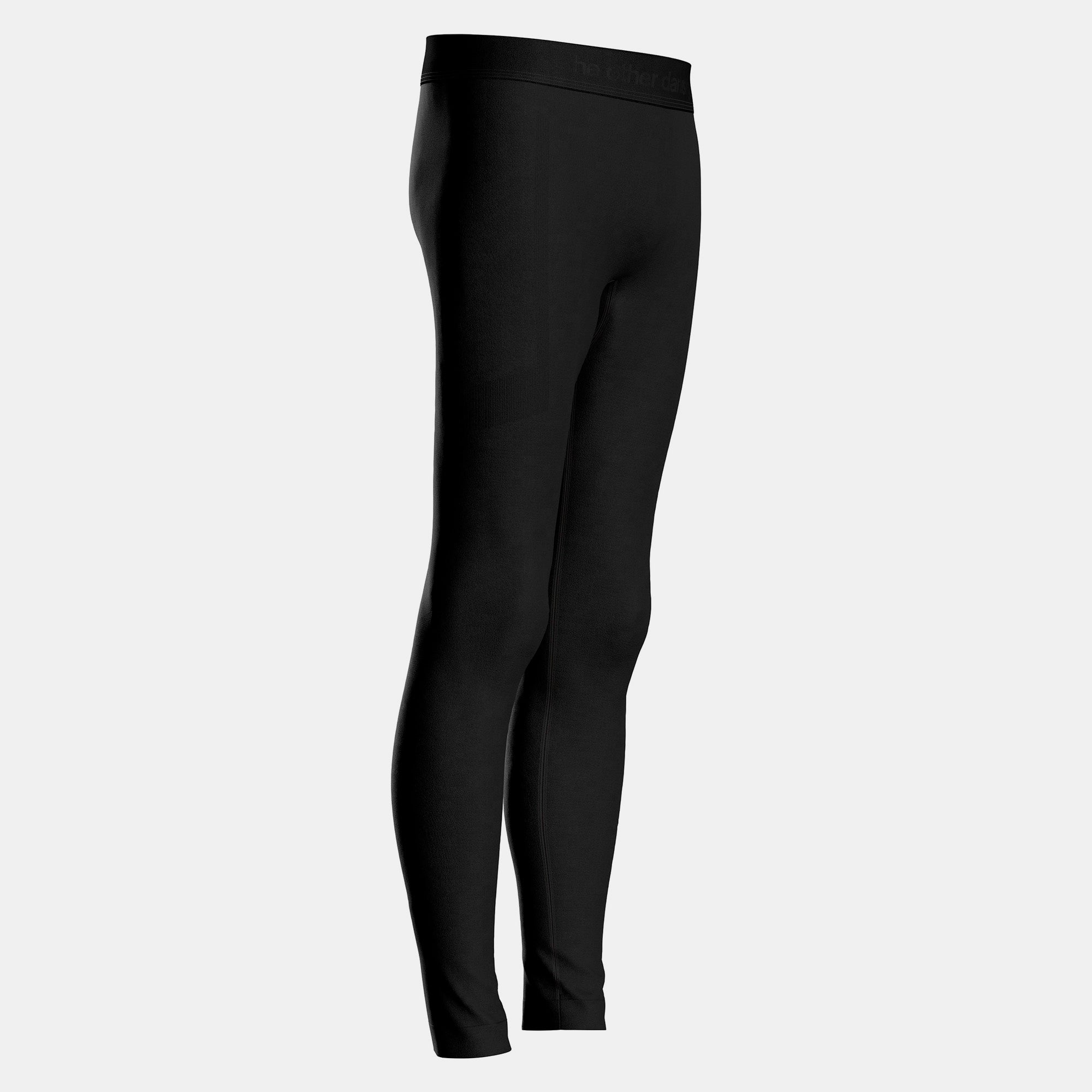
Feels like nothing, neither on your skin nor your conscience
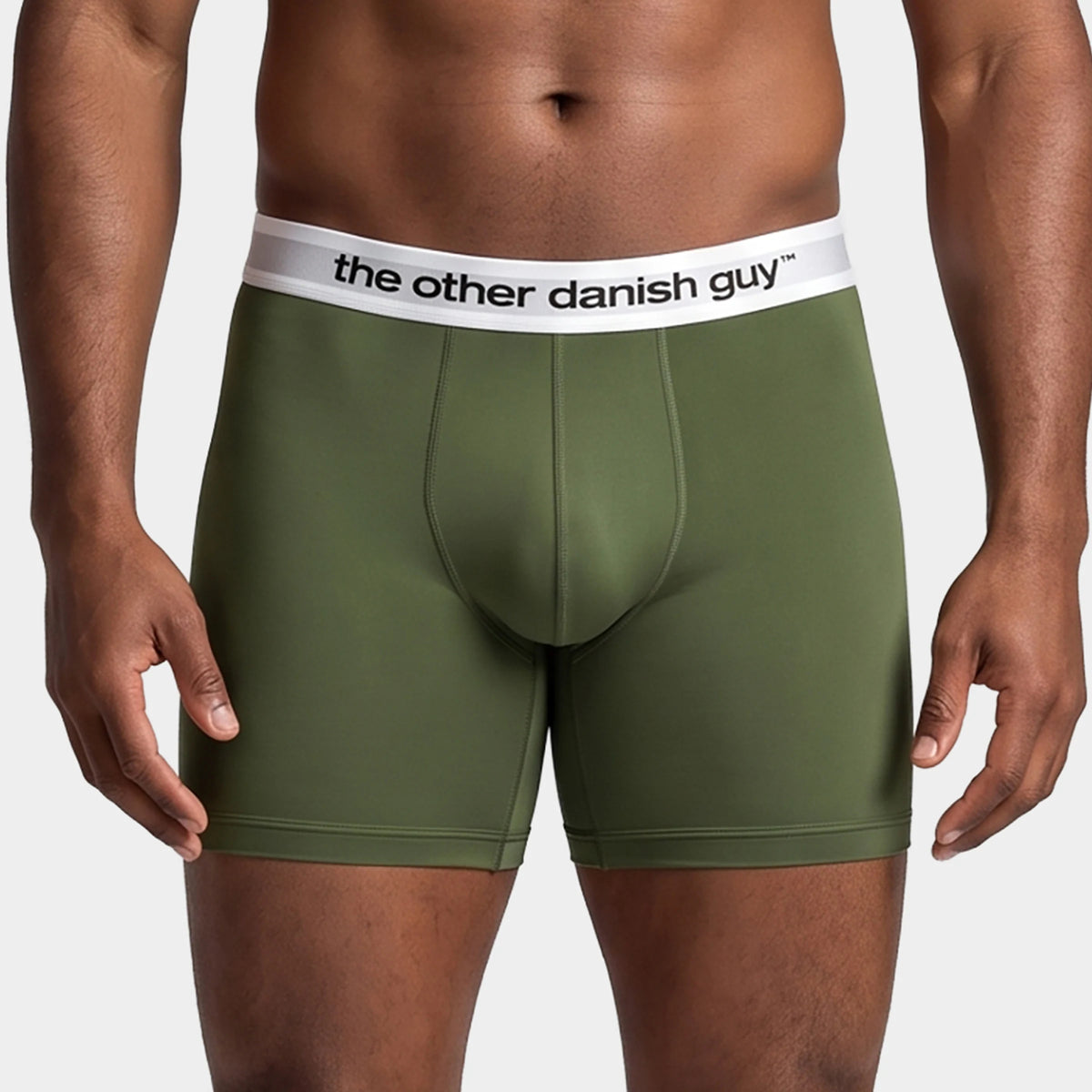
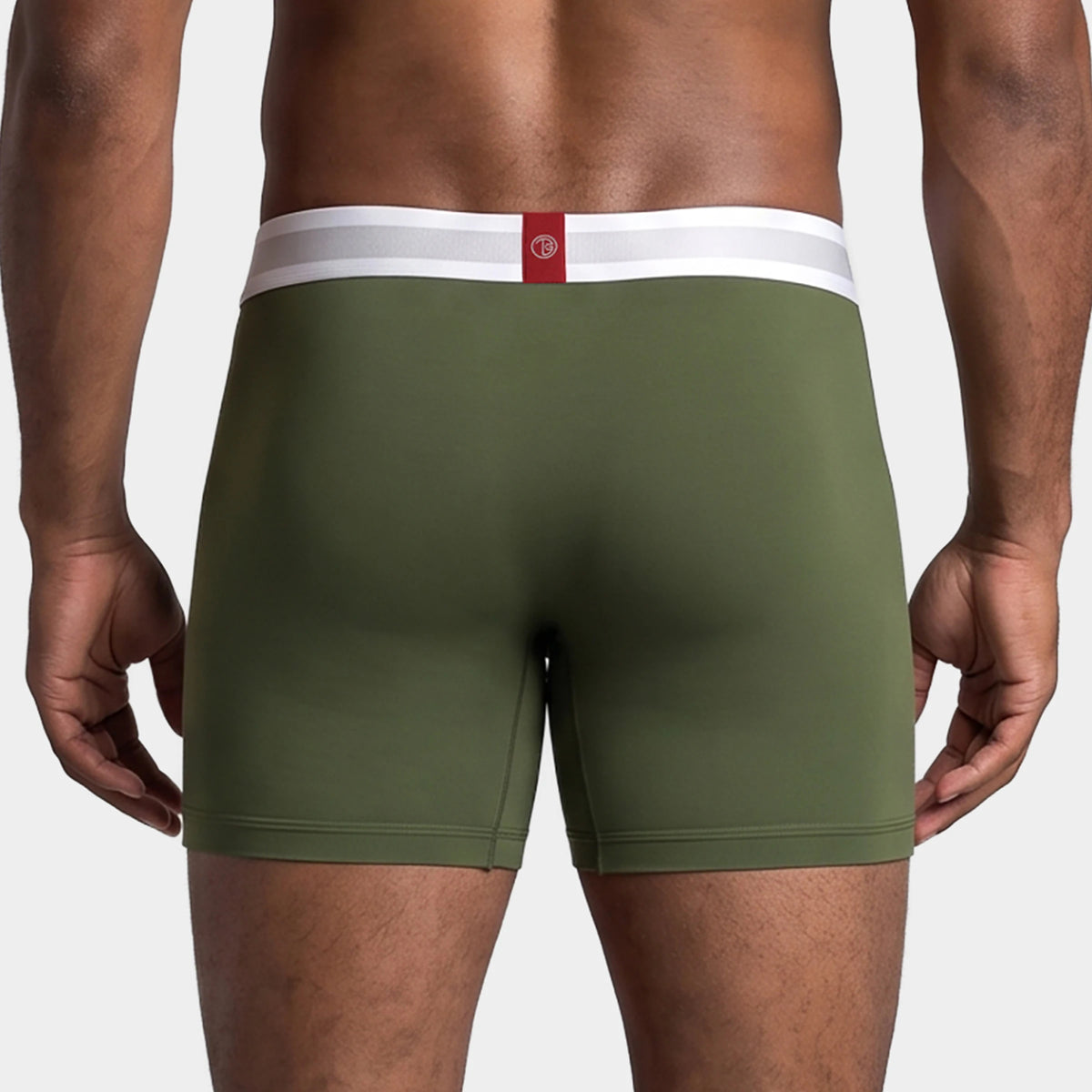
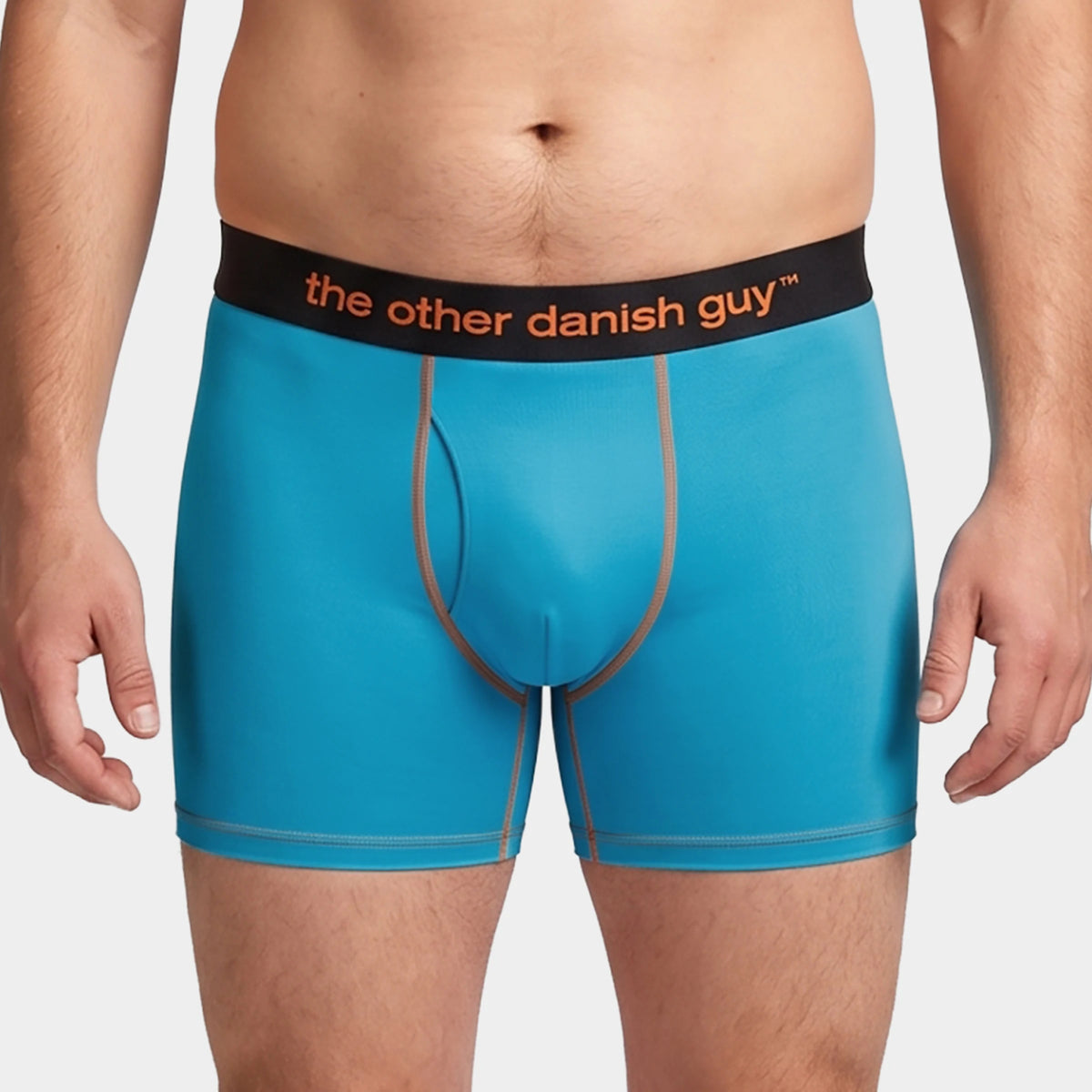
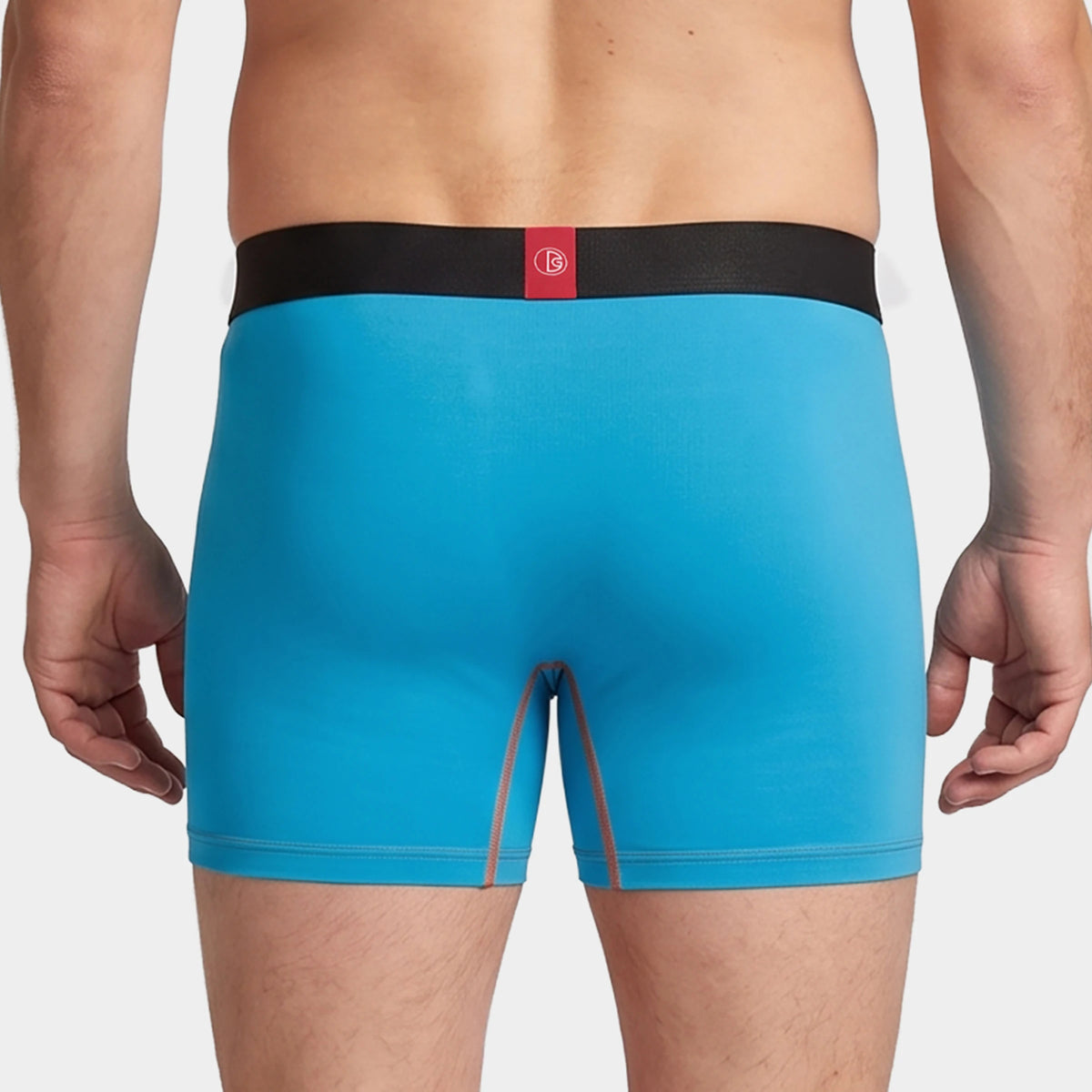
Is it possible to make underwear that both looks and feels good? We believe it is. After all, no one wants to wear tight, ill-fitting underwear that causes discomfort.
When our first prototype was finished, the reaction was immediate: “Feels like I’m wearing nothing at all!” Exactly as it should be.
The material we use is not an ideological choice, but an acceptance of facts. The fashion industry needs to take greater responsibility for the materials it relies on. It is better to be part of the solution than part of the problem.
The overwhelming majority of underwear is still made from cotton, despite its extraordinarily high water footprint. Cotton places a heavy burden on the planet and, in many ways, on the person wearing it as well. The same applies to organic cotton and fair trade cotton.

Doing our part to reduce plastic waste in the oceans
Our primary material is Italian-made ECONYL® yarn, regenerated from abandoned fishing nets and other recovered waste.
The yarn is then knitted into our Smoothshell™ fabric: an exceptionally soft, lightweight, and smooth-finished material designed for extraordinary comfort, breathability, and quick drying.
The more this business grows, the fewer discarded fishing nets are left drifting in the oceans. At first, plastic may seem like a questionable choice for underwear. But believe it or not, the feel against the skin is exceptionally light and silky.
Read more
Only three balls matter
Disposable culture and fast fashion are damaging both the planet we live on and the systems that sustain it. Each year, an estimated 15.1 million tons of textile waste is generated, most of which ultimately ends up discarded.
To have Balls is to resist that cycle, whether or not there are any hanging between your thighs.
The point is not perfection, but awareness: moving away from a culture of buying cheap without asking where a product came from, how it was made, or what kind of cost it leaves behind for the environment and the people living in it.
3D-modelling: made for people, not ideals
Designing for mannequins asks people to adapt to an idealised shape. Designing with real human data means acknowledging people as they actually are. Our approach replaces the statistical average with something far closer to reality.
By using predictive analytics and real-world body measurement data from hundreds of thousands of people, we move the design process beyond flat 2D patterns and closer to the actual shape and movement of the human body.
We create digital prototypes that allow us to simulate movement, pressure, and friction before a single piece of fabric is cut.Besides being more realistic and respectful to real human bodies, this also allows us to reduce any material waste by nearly thirty percent.
Underwear for all kinds of people